Mugwort Makgeolli Guide: Korean Ssuk Rice Wine
A practical guide to mugwort makgeolli, including taste, ABV, serving tips, food pairings, and bottles to start with.
Explore next
Bottles to compare
Move from the guide to product pages with ABV, tasting notes, and producer links.
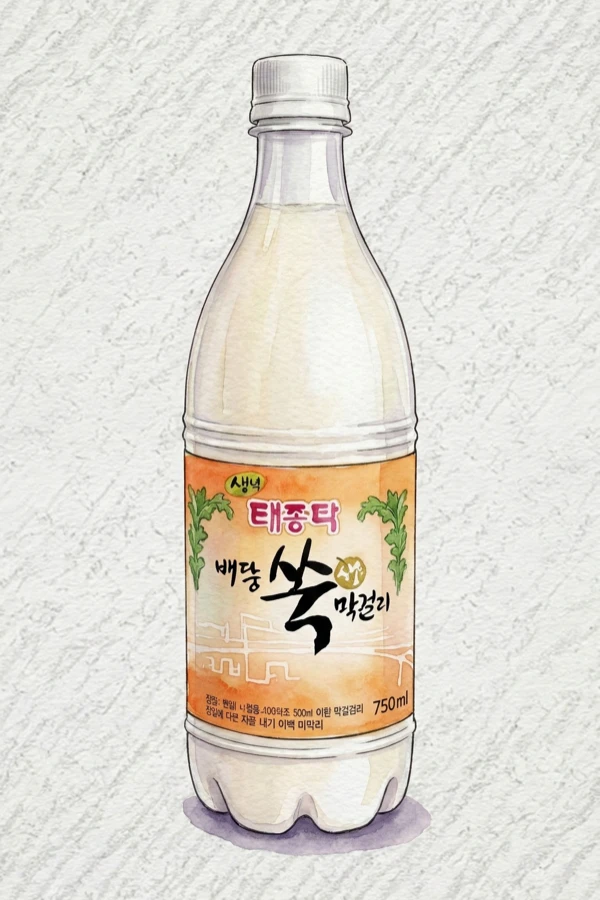
Songane Taejongdae Gaettongssuk Fresh Makgeolli
손가네 태종대 개똥쑥생막걸리
Taejongdae Brewery in Busan's Yeongdo Island harvests gaettongssuk (Korean sweet wormwood) near the dramatic Taejongdae cliffs, infusing its extract into a rice-based makgeolli at 6% ABV. The aroma is distinctive: green herb and coastal breeze layered over milky rice. On the palate, the body is medium-light and creamy, with a bittersweet herbal note weaving through the gentle starch sweetness. The finish carries a pleasant camphor-like coolness and lingering mineral-herb complexity. Serve at 6-8°C. Pairs wonderfully with haemul-tang spicy seafood stew where the herbal edge mirrors the ocean ingredients, or grilled jeonbok (abalone) with butter for an elegant coastal pairing.
Ssi(C) Geurin Makgeolli
씨(C) 그린막걸리
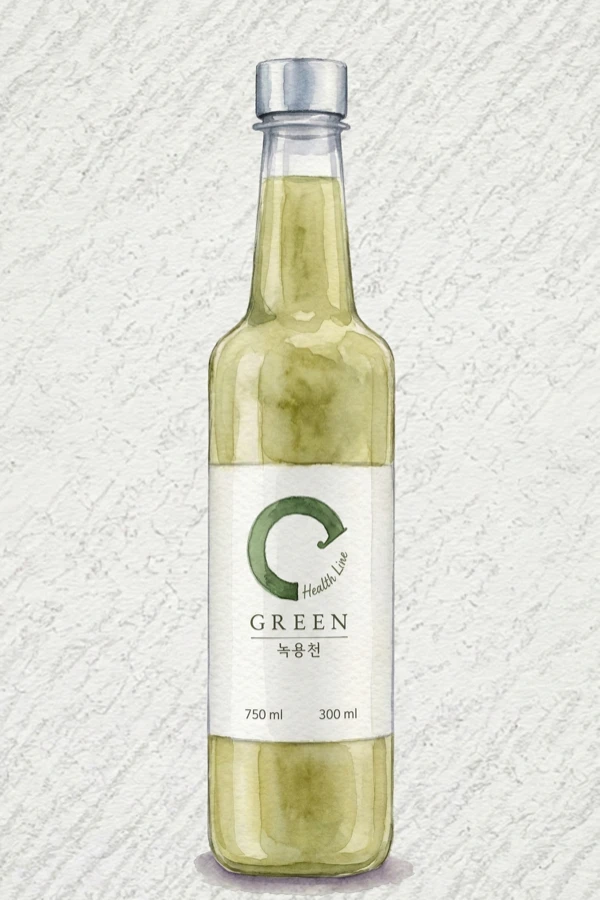
C Makgeolli in Seoul's Gangnam pushes the boundary of what makgeolli can be, blending domestic rice and nuruk with kale and Korean mugwort (gaettongssuk) for this vivid green 12% expression. The aroma is immediately herbaceous: fresh kale leaf, dried mugwort, and dewy grassland layered over a warm rice porridge base. On the palate, the body is medium-full and creamy, yet the green-vegetable bitterness creates an unexpected complexity - sweet rice cream segues into a chlorophyll-tinged mid-palate and a dry, herbal finish. Serve at 10-12°C to let the botanical aromatics bloom. Pairs with grilled lamb chops where the herbaceous profile mirrors rosemary-mint seasoning, or a Korean ssam wrap platter with perilla leaves for a layered green-on-green experience.
Ssucre
쑥크레
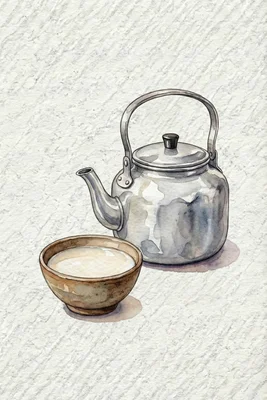
Ssucre is a 10% ABV makgeolli from Daejeon's Jubangjang Brewery that uses a stripped-down recipe of rice, nuruk, mugwort (ssuk), and water. The mugwort introduces an earthy, distinctly Korean herbal dimension - grassy, slightly bitter, and warmly vegetal - that sets this bottle apart from sweeter, fruit-forward makgeollis. The rice and nuruk fermentation provides a creamy cushion for the mugwort's assertive character, smoothing any bitterness into a mellow, rounded finish. At 375ml, it is portioned for mindful consumption, rewarding drinkers who appreciate botanical depth in their traditional beverages.
What is mugwort makgeolli?
Mugwort makgeolli is a Korean rice wine brewed or blended with ssuk, the Korean word for mugwort. In Korean food culture, ssuk is a familiar spring herb used in rice cakes, soups, and herbal preparations. When it appears in makgeolli, it adds a green, earthy, lightly bitter aroma on top of the creamy rice base.
This style is useful for drinkers who like makgeolli but want something less fruit-forward and more botanical. The best bottles keep the rice texture soft while letting the herb sit clearly in the aroma and finish.
How it tastes
Expect grass, dried herbs, young leaves, and a faint medicinal warmth. Some bottles use common mugwort, while others use gaettongssuk, often translated as Korean sweet wormwood. The result can range from gentle and tea-like to noticeably bitter and aromatic.
The rice and nuruk base matters. A soft, creamy makgeolli makes the herb feel rounded. A higher-proof or drier version makes the green bitterness more direct.
ABV and serving temperature
Most mugwort makgeolli sits around 6-12% ABV. Lighter bottles work well at 6-8°C, while richer 10-12% bottles can be served a little warmer, around 8-12°C, so the herbal aroma has room to open.
Shake gently before pouring. The sediment carries much of the rice body, and without it the herb can feel sharper than intended.
Bottles to start with
- Ssucre: a compact 10% mugwort makgeolli from Daejeon with rice, nuruk, mugwort, and water.
- Songane Taejongdae Gaettongssuk Fresh Makgeolli: a 6% Busan bottle with a coastal, herbal profile.
- Yangjo Hakdang Tteul: a 12% makgeolli that combines mugwort with pine needles.
You can also browse the wider makgeolli collection and search for mugwort or ssuk.
Food pairings
Mugwort makgeolli works best with food that can meet its herbal edge. Try pajeon, fried chicken with herbs, grilled mushrooms, seafood stew, or pork belly with perilla leaves. The green note also pairs naturally with spring vegetables and lightly bitter banchan.
Frequently Asked Questions
Is mugwort makgeolli sweet?
It depends on the bottle. The rice base can be mildly sweet, but mugwort usually adds an earthy and lightly bitter herbal note, so it often tastes less dessert-like than fruit makgeolli.
Is ssuk the same as mugwort?
Yes. Ssuk is the Korean name for mugwort. Some products use gaettongssuk, a related Korean sweet wormwood with a stronger herbal character.
What food goes well with mugwort makgeolli?
Pajeon, seafood stew, grilled mushrooms, pork belly with perilla leaves, and herb-seasoned fried foods are good starting points.