How to Buy Korean Traditional Alcohol (Online & Offline)
Where and how to find authentic Korean traditional drinks - online platforms, specialty shops, department stores, and brewery visits.
Explore next
Bottles to compare
Move from the guide to product pages with ABV, tasting notes, and producer links.
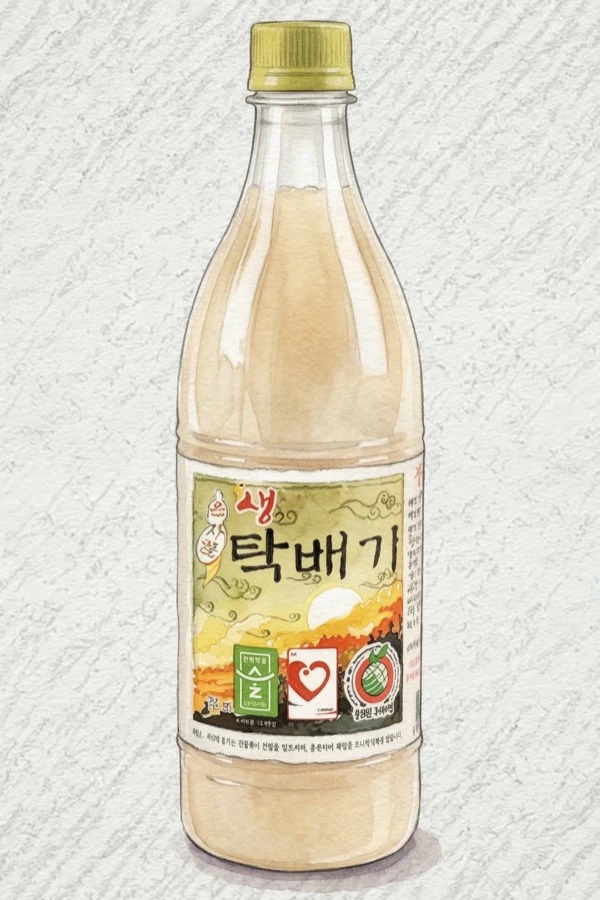
Eunjagol Fresh Tak Peargi
은자골 생 탁배기
Eunjagol Fresh Tak is a 5% ABV draft-style makgeolli from Gyeongsangbuk-do with a creamy, freshly brewed character that feels immediately approachable. Made with white rice, wheat flour, starch syrup, nuruk, and enzymes, it delivers the classic makgeolli experience - mild, slightly sweet, and texturally soft - in an unfiltered, living format. A 2016 Visit Korean Brewery designation and the 2016 Korea Woorisool Awards Grand Prize in the fresh makgeolli category confirm its quality credentials.
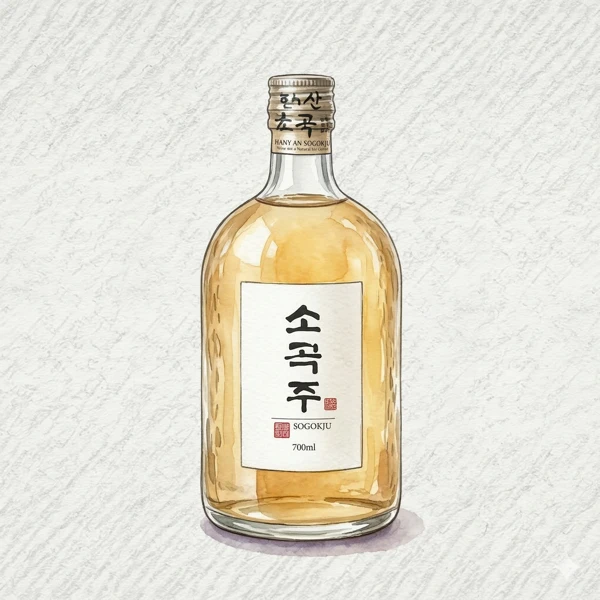
Hansan Sogokju
한산소곡주
Hansan Sogokju is an 18% ABV brew from Hansansogokju Brewery in Chungcheongnam-do, one of Korea's most storied traditional spirits. Made with glutinous and non-glutinous rice, it carries designation as Chungcheongnam-do Intangible Cultural Heritage No. 3, is produced by Traditional Food Master No. 19 Woo Hee-yeol, won the 2001 Korean Traditional Food Grand Prize, and received a 2007 Presidential Commendation. The dual-rice approach creates a body that is dense and honey-like yet structured enough to stay composed at 18%. The nose is concentrated: caramelized grain, dried jujube, and a warm yeast note. On the palate, the sweetness is generous but the non-glutinous rice prevents it from becoming one-dimensional, adding a dry backbone that keeps the palate refreshed. The finish is long and warming, with a nurungji-like scorched grain echo. Serve at 14-16°C alongside samhap (fermented skate, kimchi, pork wraps) where the drink's strength and sweetness manage the triple intensity, or with jeon where the rich body matches the oily textures.
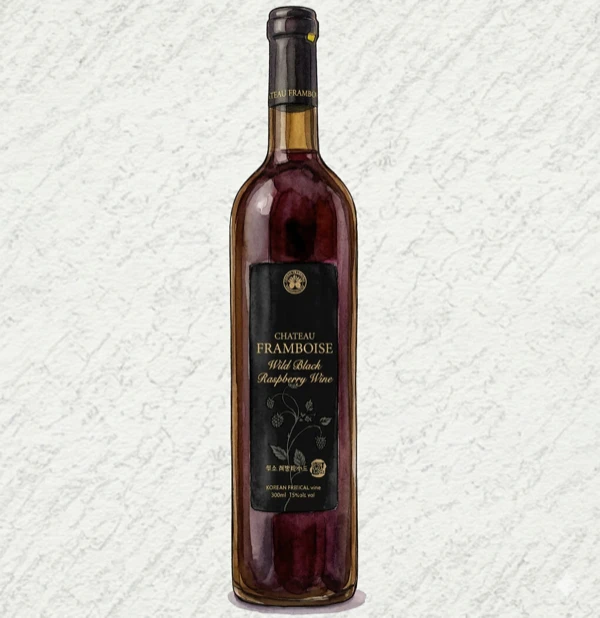
Seonunsan Black Raspberry Wine
선운산 복분자와인
Seonunsan Black Raspberry Wine is a 13% ABV bokbunja wine from Heungjin Brewery in Gochang, Jeollabuk-do, offered in a 300ml format - the lightest and most accessible entry in the Seonunsan bokbunja lineup. With added spirit, purified water, fructose, citric acid, and aspartame rounding out the ingredient list alongside the Gochang black raspberries, this is designed for easy, casual enjoyment rather than concentrated contemplation. The nose is bright and berry-forward: fresh black raspberry, a touch of citrus from the acid addition, and gentle sweetness. On the palate, the body is light-medium with a smooth, effortless texture. The sweetness is approachable and the 13% ABV keeps things undemanding. The finish is short and clean, ending with a simple berry note. Serve well-chilled at 7-10°C as a casual aperitif, with cheese and crackers for a quick evening snack, alongside light desserts where the modest berry sweetness provides just enough fruit character, or simply as a standalone sip when you want bokbunja flavor without commitment.
Buying Traditional Alcohol in Korea
Korea has over 545 breweries producing more than 1,100 different traditional alcoholic beverages, but finding the good stuff requires knowing where to look. Convenience stores carry a handful of commercial makgeolli brands, but the real treasures - craft makgeolli, traditional soju, artisanal cheongju, and regional fruit wines - live in specialized channels.
The traditional alcohol market in Korea has grown significantly since the early 2010s, driven by a younger generation interested in craft beverages and traditional culture. New buying channels have emerged, making it easier than ever to access quality products.
Online Platforms
Online ordering is the most convenient way to access the full range of Korean traditional alcohol. Several dedicated platforms have transformed the market:
- Suldamhwa (술담화) - The largest traditional alcohol e-commerce platform. Monthly subscription boxes, curated recommendations, and direct-from-brewery shipping. They carry hundreds of products and include tasting notes and pairing suggestions. Their subscription service is a great way to discover new favorites.
- Thesool.com (더술닷컴) - Korea's official traditional alcohol portal, run with government support. Offers a wide selection with detailed product information and educational content. A good starting point for exploration.
- Naver Shopping / Coupang - General e-commerce platforms that carry traditional alcohol. Selection varies, but you can often find popular products. Look for brewery-direct shops within these platforms for the freshest products.
- Brewery Direct Websites - Many breweries operate their own online stores. The advantage is freshness (especially for unpasteurized makgeolli) and sometimes exclusive products not available elsewhere.
Shipping note: Unpasteurized (saeng) makgeolli must be shipped refrigerated and consumed quickly. Most platforms use cold-chain delivery for these products, but delivery times vary by region.
Department Stores
Korean department store liquor sections are treasure troves for traditional alcohol. Staff are knowledgeable and many offer tastings.
- Lotte Department Store (롯데백화점) - Consistent traditional alcohol sections across branches. The main Myeongdong store has one of the best selections in Seoul.
- Shinsegae Department Store (신세계백화점) - The Gangnam and Centum City (Busan) branches are particularly well-stocked. Their food halls also carry interesting selections.
- Hyundai Department Store (현대백화점) - Known for curating premium and hard-to-find traditional brands. The Pangyo and Yeouido The Hyundai Seoul branches are especially good.
- Galleria Department Store (갤러리아백화점) - The Apgujeong location carries a focused, premium selection with helpful staff.
Tip: Department stores often run seasonal promotions and tasting events, especially around holidays like Chuseok (추석) and Lunar New Year (설날), when traditional alcohol gift sets are popular.
Specialty Shops
Dedicated traditional alcohol shops offer expert curation and personalized recommendations:
- Baekseju Bang (백세주방) - A franchise specializing in traditional alcohol with locations across Seoul. Staff can guide you based on your taste preferences and budget.
- Traditional Alcohol Bars - Many bars that serve traditional alcohol also sell bottles to take home. Places like these let you taste before you buy, which is invaluable for choosing unfamiliar products.
- Korean Traditional Craft Centers (한국전통공예관) - Some cultural centers and craft shops include traditional alcohol in their offerings, often from local artisan producers.
Brewery Visits
Visiting a brewery is the most rewarding way to buy traditional alcohol. Many Korean breweries are in beautiful rural settings and offer tours, tastings, and experiences beyond just buying a bottle.
- Chajaganeun Yangjoyang (찾아가는 양조장) - "Visiting Breweries" is a government-certified program identifying breweries that welcome visitors. These locations offer tours, tastings, and direct purchasing. Look for this designation when planning visits.
- Regional Brewery Tours - Areas like Gyeonggi Province, Chungcheong, and Jeonnam have clusters of breweries that can be combined into a day trip. Some tourism organizations offer organized brewery bus tours.
- Brewery Festivals - Throughout the year, various regions host traditional alcohol festivals where dozens of breweries gather. The Korean Traditional Liquor Festival in Seoul is one of the largest annual events.
Planning tip: Call ahead or check websites before visiting. Some breweries require reservations, especially for tours and tastings. Many are closed on Mondays or certain holidays.
Buying Korean Alcohol Outside Korea
Finding Korean traditional alcohol abroad is getting easier, though selection remains limited compared to Korea itself:
- Korean Grocery Stores - H Mart, Lotte Plaza, and other Korean supermarket chains in the US, Canada, Europe, and Asia carry basic makgeolli and sometimes a few traditional brands. Selection varies dramatically by location.
- Japanese/Asian Liquor Stores - Stores specializing in sake and Asian spirits sometimes carry Korean traditional alcohol, especially in cities with large Korean communities.
- Online International Retailers - Some specialty online retailers ship Korean alcohol internationally. Availability depends on your country's import regulations for alcohol.
- Duty-Free Shops - Korean airport duty-free stores (Incheon, Gimpo, Gimhae) carry gift-packaged traditional alcohol. This is one of the easiest ways to bring quality bottles home.
Customs warning: Check your home country's alcohol import limits before purchasing. Most countries allow 1-2 bottles (usually 1-2 liters total) duty-free for personal use.
What to Look for When Buying
Tips for selecting quality traditional alcohol:
- Check the label for "전통주" (jeontonju) - This designation means it meets government standards for traditional alcohol. Products without it may be commercial imitations.
- Look for "생" (saeng/fresh) - For makgeolli, this indicates unpasteurized, living product. More perishable but far more flavorful.
- Production date matters - Especially for unpasteurized makgeolli. Fresher is better. For aged soju, the aging date or period should be noted.
- ABV tells a story - Very low ABV makgeolli (under 5%) may be heavily diluted. Very cheap soju under 20% is almost certainly diluted commercial product, not traditional.
- Ingredients list - Quality traditional alcohol lists simple ingredients: rice, nuruk, water, and maybe a few natural additives. Long ingredient lists with artificial sweeteners suggest commercial rather than traditional production.
- Awards and certifications - "대한민국 우리술 대축제 수상" (Korean Traditional Liquor Festival award) and similar certifications indicate recognized quality.
Frequently Asked Questions
How much should I expect to pay for quality traditional alcohol?
Decent craft makgeolli starts around ₩5,000-₩10,000 per bottle. Good traditional soju runs ₩15,000-₩50,000, with premium aged varieties going higher. Cheongju is typically ₩10,000-₩30,000. These prices reflect actual craftsmanship - far from the ₩1,500 green-bottle soju at convenience stores.
Can I ship Korean alcohol internationally?
Legally, it depends on both Korean export regulations and your destination country's import laws. Most personal shipping services (like EMS from Korea Post) prohibit alcohol. Some specialty retailers handle international shipping with proper licensing. The safest legal option for travelers is to buy at duty-free or carry within allowed limits in checked luggage.
What's the best traditional alcohol gift to bring from Korea?
For someone unfamiliar with Korean alcohol, a beautifully packaged premium makgeolli set or Hwayo soju (available in multiple ABV levels) makes an impressive gift. Department store gift sets are specifically designed for giving and often include tasting cups. Avoid unpasteurized products as gifts since they require cold chain.