Korean Alcohol & Food Pairing Guide
Master the art of anju - learn which Korean foods pair best with makgeolli, soju, cheongju, and fruit wines.
Explore next
Bottles to compare
Move from the guide to product pages with ABV, tasting notes, and producer links.
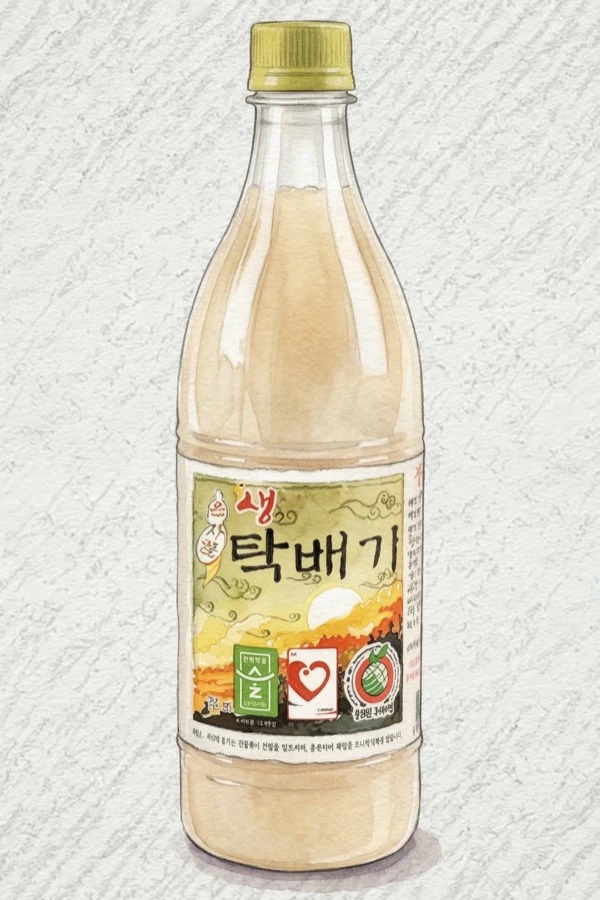
Eunjagol Fresh Tak Peargi
은자골 생 탁배기
Eunjagol Fresh Tak is a 5% ABV draft-style makgeolli from Gyeongsangbuk-do with a creamy, freshly brewed character that feels immediately approachable. Made with white rice, wheat flour, starch syrup, nuruk, and enzymes, it delivers the classic makgeolli experience - mild, slightly sweet, and texturally soft - in an unfiltered, living format. A 2016 Visit Korean Brewery designation and the 2016 Korea Woorisool Awards Grand Prize in the fresh makgeolli category confirm its quality credentials.
Baekje Hansan Gunju
백제한산군주
Baekjehansangunju is a 25% ABV blended spirit from Chungcheongnam-do, made with glutinous rice, water, non-glutinous rice, spirit (jujeong), yeast, red chili, gujeolcho (chrysanthemum sibiricum), fructose, salt, and stevia. This is one of the more complex ingredient lists in Korean traditional spirits, layering grain fermentation with botanical infusion. The Baekje reference ties the spirit to the ancient Korean kingdom that flourished in the Chungcheong region, while the inclusion of red chili and gujeolcho creates a flavor profile that defies simple categorization. The nose opens with warm grain sweetness from the dual rice base, a gentle floral note from the gujeolcho, and a subtle peppery warmth hinting at the red chili. On the palate, the body is light-medium with a smooth texture. The grain sweetness from glutinous and non-glutinous rice creates a familiar, comforting foundation. The red chili appears not as heat but as a gentle warming spice that adds character, while gujeolcho contributes a subtle herbal-floral layer. The added spirit rounds the proof, fructose and stevia balance sweetness, and salt integrates the flavors. The finish is moderate and clean, with lingering grain warmth and a faint herbal-spice echo. The compact 250ml bottle suits focused tasting. Serve at room temperature with traditional Korean snacks, alongside banchan where the spirit's subtle complexity adds interest, or with savory-sweet preparations where the chili and herbal notes find resonance.

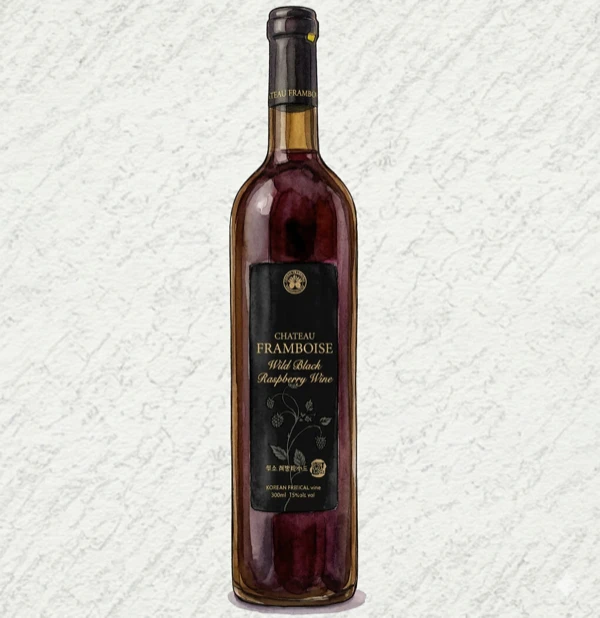
Seonunsan Black Raspberry Wine
선운산 복분자와인
Seonunsan Black Raspberry Wine is a 13% ABV bokbunja wine from Heungjin Brewery in Gochang, Jeollabuk-do, offered in a 300ml format - the lightest and most accessible entry in the Seonunsan bokbunja lineup. With added spirit, purified water, fructose, citric acid, and aspartame rounding out the ingredient list alongside the Gochang black raspberries, this is designed for easy, casual enjoyment rather than concentrated contemplation. The nose is bright and berry-forward: fresh black raspberry, a touch of citrus from the acid addition, and gentle sweetness. On the palate, the body is light-medium with a smooth, effortless texture. The sweetness is approachable and the 13% ABV keeps things undemanding. The finish is short and clean, ending with a simple berry note. Serve well-chilled at 7-10°C as a casual aperitif, with cheese and crackers for a quick evening snack, alongside light desserts where the modest berry sweetness provides just enough fruit character, or simply as a standalone sip when you want bokbunja flavor without commitment.
The Korean Art of Anju
In Korean drinking culture, alcohol is rarely consumed alone. Every drink calls for anju (안주) - food specifically chosen to accompany alcohol. This isn't just bar snacks; it's a deeply ingrained cultural practice where the food and drink are considered equal partners.
The concept goes beyond mere pairing. Koreans believe that the right anju enhances the drink, the drink enhances the food, and the combination creates something greater than either alone. Ordering drinks without anju at a Korean bar would be like ordering pasta without sauce at an Italian restaurant - technically possible, but you'd be missing the point.
There's even a verb for it: "안주하다" (anjuhada) - to eat food with alcohol. The food is not secondary; it's integral to the experience.
Makgeolli Pairings
Makgeolli's mild sweetness, gentle acidity, and slight effervescence make it one of the most versatile drinks for food pairing. Its relatively low alcohol (5-8%) means it refreshes rather than overwhelms.
- Pajeon (파전) - Green Onion Pancake
The definitive makgeolli pairing. Crispy on the outside, tender inside, with the savory-sweet green onion flavor cutting through makgeolli's creaminess. On rainy days, Koreans have an almost Pavlovian response: rain → pajeon → makgeolli. - Bindaetteok (빈대떡) - Mung Bean Pancake
A traditional market staple. The earthy, hearty mung bean pancake with its slightly crispy edges is makgeolli's original companion from market stalls. - Kimchi Jeon (김치전)
Tangy, spicy kimchi pancake. The acidity of fermented kimchi mirrors makgeolli's own fermented character, creating a harmonious match. - Dubu-kimchi (두부김치)
Soft tofu with stir-fried kimchi and pork. The mild tofu absorbs and balances the spicy kimchi, while makgeolli cools everything down. - Sundae (순대) - Korean Blood Sausage
Chewy, savory blood sausage dipped in salt and pepper. A classic market-drinking combination. - Fried Chicken
A modern but excellent pairing. Makgeolli's natural carbonation and acidity cut through the oil and batter like a charm.
Explore all makgeolli varieties to find your favorite pairing partner.
Traditional Soju Pairings
Traditional soju (25-45% ABV) is a strong, clean spirit that acts as a palate cleanser between bites of rich, bold food. The pairing philosophy: match intensity with intensity.
- Galbi (갈비) - Grilled Short Ribs
The charcoal-grilled, soy-marinated beef ribs with their smoky sweetness are soju's perfect counterpart. The spirit cuts through the rich marbling. - Samgyeopsal (삼겹살) - Grilled Pork Belly
Thick-cut pork belly grilled at the table, wrapped in lettuce with garlic and ssamjang. The fat-heavy meat practically demands soju's cleansing burn. - Bossam (보쌈)
Boiled pork belly sliced thin, served with kimchi and fermented shrimp paste. The combination of textures and fermented flavors with soju is quintessentially Korean. - Hoe (회) - Korean Sashimi
Fresh raw fish, often served with a spicy dipping sauce. Soju's clean character enhances the fish without competing. Coastal cities like Busan practically run on this combination. - Jokbal (족발) - Braised Pig's Feet
The collagen-rich, tender pig's feet braised in soy sauce and spices. A legendary late-night anju in Seoul. - Dakbal (닭발) - Spicy Chicken Feet
Fiery, chewy chicken feet in gochujang sauce. Not for the faint-hearted, but soju tames the heat.
Browse traditional soju varieties for your next BBQ night.
Cheongju Pairings
Cheongju (clear rice wine, 12-18% ABV) is the elegant sibling in the Korean alcohol family. Its refined, clean character pairs with more delicate flavors than soju or makgeolli.
- Hanjeongsik (한정식) - Korean Full Course
The traditional multi-course Korean meal with its dozen small dishes. Cheongju's versatility handles the variety of flavors - from subtle namul (vegetables) to savory jjigae (stew). - Grilled Fish (생선구이)
Simply grilled mackerel, hairtail, or other Korean favorites. Cheongju's clean rice character complements fish without overwhelming it - similar to how Japanese sake works with sashimi. - Japchae (잡채)
Stir-fried glass noodles with vegetables and sesame oil. The subtle sweetness of both the dish and the cheongju creates a gentle harmony. - Steamed Egg (계란찜)
Light, fluffy steamed egg custard. A mild anju for a mild drink - sometimes the best pairings are the simplest. - Jeon Platter (모듬전)
An assortment of pan-fried dishes: shrimp, zucchini, fish cake. The breadth of flavors in a jeon platter matches cheongju's adaptability.
Discover cheongju varieties in our collection.
Fruit Wine Pairings
Korean fruit wines (과실주) range from dry and tart to sweet and dessert-like, with ABV typically between 7% and 15%. Pairing depends heavily on the specific fruit and sweetness level.
- Cheese and Charcuterie
A Western-style pairing that works beautifully with Korean fruit wines. Plum wine (매실주) with aged cheese, or bokbunja (black raspberry wine) with soft brie. - Dark Chocolate
Especially with bokbunja (복분자) or black rice wine. The tannins and berry flavors echo the chocolate's richness. - Dried Fruits and Nuts
Almonds, walnuts, dried persimmon (곶감). A refined, easy anju that lets the fruit wine's character shine. - Light Desserts
Rice cakes (떡), fruit tarts, or Korean cookies (한과). Sweet wines like omija (five-flavor berry) wine pair naturally with desserts. - Salad and Fresh Vegetables
A crisp, dry fruit wine alongside a light salad can be surprisingly refreshing - especially in summer.
See all Korean fruit wines available.
Quick Pairing Reference
For when you need a fast answer:
| Drink | Best Pairings | Avoid |
|---|---|---|
| Makgeolli | Pancakes, fried food, kimchi dishes | Very delicate flavors (overpowered by creaminess) |
| Traditional Soju | Grilled meat, raw fish, rich/fatty food | Sweet desserts (alcohol clash) |
| Cheongju | Full-course meals, grilled fish, subtle dishes | Very spicy food (overwhelms the delicate wine) |
| Fruit Wine | Cheese, chocolate, nuts, desserts | Heavy, greasy food |
Frequently Asked Questions
Is it rude to drink without food in Korea?
Not rude exactly, but unusual. Most Korean drinking establishments expect food orders, and some will even bring complimentary basic anju (like peanuts or dried squid) if you only order drinks. At traditional bars and pojangmacha, ordering at least one anju dish per group is expected.
What's the best anju for someone who doesn't eat meat?
Great options include: dubu (tofu) dishes, various jeon (pancakes), seasonal namul (seasoned vegetables), dried squid (오징어), and cheese plates for fruit wines. Korean drinking culture has plenty of vegetable and seafood anju options.
Can I pair Korean alcohol with non-Korean food?
Absolutely. Makgeolli pairs well with pizza and fried foods from any cuisine. Traditional soju works with steak and grilled meats universally. Cheongju complements most fish dishes regardless of cuisine. The pairing principles (match intensity, use contrast) apply across all food traditions.