A Beginner's Guide to Korean Traditional Alcohol
Korean traditional alcohol, or 전통주 (jeontonju), has a history spanning thousands of years. Unlike mass-produced soju you might find at convenience stores, traditional Korean drinks are craft beverages made with rice, nuruk (fermentation starter), and water - often with unique local ingredients.
In-Depth Guides
What is Makgeolli? A Complete Guide to Korean Rice Wine
Makgeolli is Korea's cloudy, unrefined rice wine. Compare bottles by style, strength, ingredients, and producer.
Mugwort Makgeolli Guide: Korean Ssuk Rice Wine
How mugwort changes makgeolli's aroma, bitterness, serving temperature, and food pairings.
Korean Soju Guide: Traditional vs Commercial
The real story behind Korea's most famous spirit - and why traditional soju is nothing like the green bottles.
Korean Alcohol & Food Pairing Guide
Master the art of anju - the Korean tradition of matching drinks with food.
How to Buy Korean Traditional Alcohol
Where and how to find authentic Korean traditional drinks, online and offline.
Types of Korean Alcohol: A Complete Overview
From milky makgeolli to aged fruit wines - every category of Korean traditional alcohol explained.
Korean Rice Wine vs Japanese Sake: Key Differences
Makgeolli is cloudy and unrefined, while cheongju is clear and closer to Japanese sake.
Korean Drinking Culture & Etiquette Guide
Master Korean drinking customs - from pouring etiquette to anju traditions.
Korean Fruit Wine Guide: Sweet & Refreshing
Explore plum wine, bokbunja, yuja-ju and more Korean fruit wines.
Korean Cheongju: The Refined Clear Rice Wine
Cheongju is a clear Korean rice wine. See how it differs from makgeolli and Japanese sake.
Soju Cocktail Recipes: Creative Mixed Drinks
From somaek to yogurt soju - easy cocktail recipes using Korean soju.
Korean Alcohol for Beginners: Where to Start
New to Korean drinks? Start here for simple recommendations based on your taste.
How Korean Traditional Alcohol Is Made
The brewing process behind makgeolli, soju, and cheongju - from rice to glass.
Seasonal Korean Alcohol: What to Drink When
The best Korean drinks for every season - spring blossoms to winter warmers.
Korean Traditional Alcohol & Health
What to know about probiotics in makgeolli, calorie counts, and mindful drinking.
Korean Alcohol Gift Guide: Perfect Presents
Find the ideal Korean alcohol gift for any occasion and budget.
Types of Traditional Alcohol
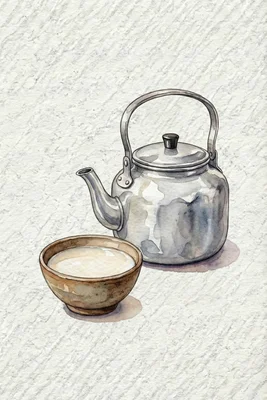
Korean Makgeolli (막걸리)
Traditional Korean rice wine - milky, slightly sweet, and naturally carbonated

Korean Soju (소주)
Traditional Korean distilled spirit - clean, smooth, and aromatic
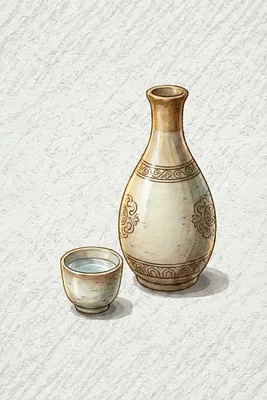
Korean Cheongju (청주)
Korean clear rice wine - refined, elegant, and similar to sake
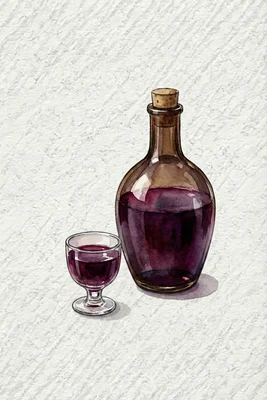
Korean Fruit Wine (과실주)
Korean fruit wine made from plum, bokbunja, yuzu, and other local fruits
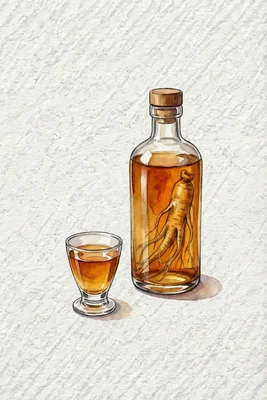
Korean Liqueur (리큐르)
Korean flavored spirits infused with ginseng, honey, herbs, and other ingredients
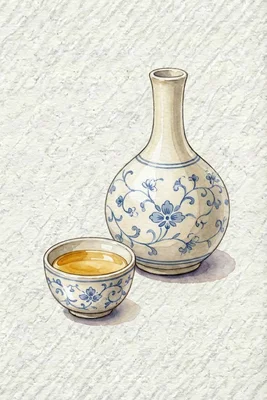
Korean Traditional Drink (기타)
Other Korean traditional alcoholic drinks including mixed grain wines and herbal spirits
How to Enjoy
Temperature
- Makgeolli: Chilled (5-10°C). Shake gently before serving.
- Cheongju: Chilled or slightly warm. Works well at room temperature too.
- Traditional Soju: Room temperature or slightly chilled. Warming can release aromas.
- Fruit Wine: Chilled. Dessert wines can be slightly warmer.
Glassware
Makgeolli is traditionally served in a 사발 (sabal), a wide bowl, and ladled from a larger pot. For cheongju and soju, small ceramic cups called 잔 (jan) are used. However, any cup works - the most important thing is to enjoy the drink.
Drinking Etiquette
- Pour for others before filling your own glass
- Use two hands when pouring for or receiving from elders
- Turn slightly away from elders when drinking
- Never let someone's glass sit empty
Food Pairings
Korean traditional alcohol and food (안주, anju) are inseparable. Here are classic combinations:
- Makgeolli + Pajeon (green onion pancake), Bindaetteok (mung bean pancake)
- Cheongju + Hanjeongsik (Korean full course), Grilled fish
- Traditional Soju + Galbi, Bossam, Sashimi
- Fruit Wine + Cheese, Desserts, Light snacks
Where to Buy
In Korea, traditional alcohol can be found at department store liquor sections, specialty shops like 백세주방, online platforms like 술담화 and 더술닷컴, and directly from breweries. Some makgeolli is available at convenience stores, but the best selections require seeking out specialty retailers.
Frequently Asked Questions
What is makgeolli?
Makgeolli is a traditional Korean fermented rice wine made with rice, nuruk (fermentation starter), and water. It has a milky white appearance with a slightly sweet and fizzy taste. It is best served chilled (5-10°C) and should be gently shaken before drinking. Korean Sool features over 1232 traditional Korean alcohols.
How should I serve Korean traditional alcohol?
Each type has an ideal serving temperature. Makgeolli is best chilled (5-10°C), cheongju can be chilled or slightly warm, traditional soju at room temperature or slightly chilled, and fruit wine should be chilled. When pouring for or receiving from elders, always use two hands. This is an important Korean drinking etiquette.
What foods pair well with makgeolli?
The classic pairing for makgeolli is pajeon (green onion pancake) and bindaetteok (mung bean pancake). Cheongju pairs well with hanjeongsik (Korean full course) and grilled fish. Traditional soju goes with galbi, bossam, and sashimi. Fruit wines complement cheese, desserts, and light snacks.
Where can I buy Korean traditional alcohol?
In Korea, traditional alcohol is available at department store liquor sections, specialty shops like Baekseju Bang, online platforms like Suldamhwa and Thesool.com, and directly from breweries. Some makgeolli is also available at convenience stores.
How many types of Korean traditional alcohol are there?
Korean traditional alcohol is broadly categorized into makgeolli (rice wine), cheongju (clear rice wine), traditional soju (distilled spirit), fruit wine, liqueur, and others. Korean Sool catalogs over 1232 products from 431 breweries across South Korea.