Types of Korean Alcohol: From Makgeolli to Fruit Wine
A complete overview of every category of Korean traditional alcohol - makgeolli, soju, cheongju, fruit wine, liqueur, and more. Learn what makes each unique.
Explore next
Bottles to compare
Move from the guide to product pages with ABV, tasting notes, and producer links.
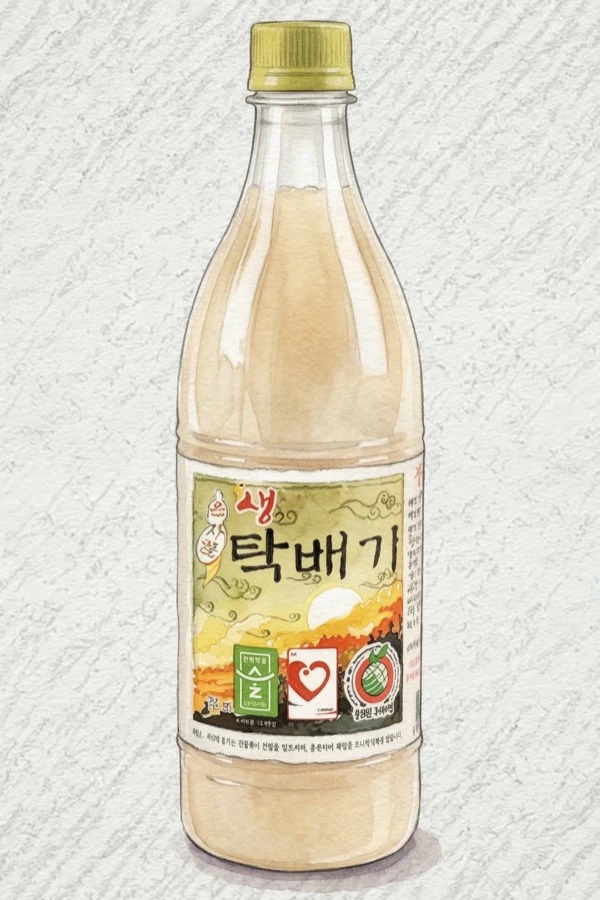
Eunjagol Fresh Tak Peargi
은자골 생 탁배기
Eunjagol Fresh Tak is a 5% ABV draft-style makgeolli from Gyeongsangbuk-do with a creamy, freshly brewed character that feels immediately approachable. Made with white rice, wheat flour, starch syrup, nuruk, and enzymes, it delivers the classic makgeolli experience - mild, slightly sweet, and texturally soft - in an unfiltered, living format. A 2016 Visit Korean Brewery designation and the 2016 Korea Woorisool Awards Grand Prize in the fresh makgeolli category confirm its quality credentials.
Baekje Hansan Gunju
백제한산군주
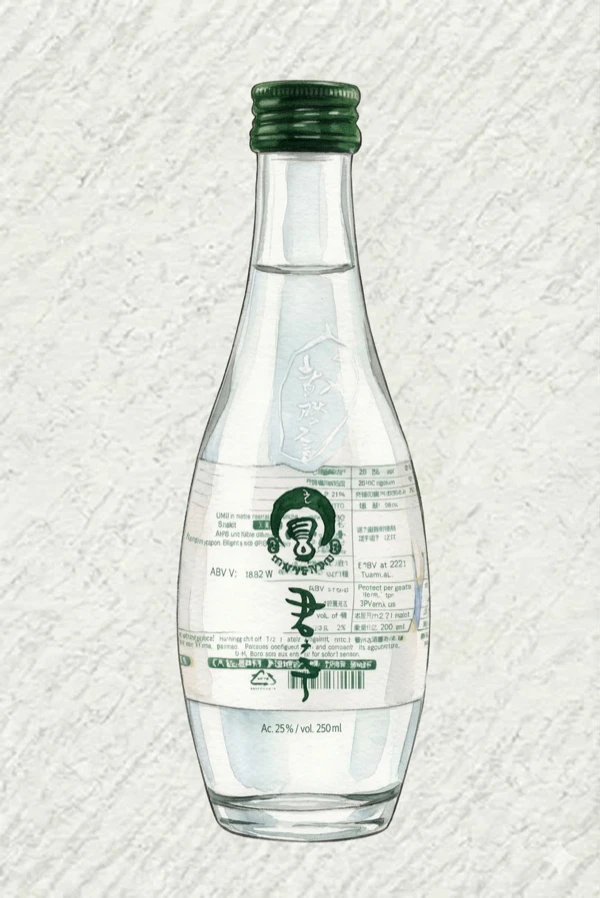
Baekjehansangunju is a 25% ABV blended spirit from Chungcheongnam-do, made with glutinous rice, water, non-glutinous rice, spirit (jujeong), yeast, red chili, gujeolcho (chrysanthemum sibiricum), fructose, salt, and stevia. This is one of the more complex ingredient lists in Korean traditional spirits, layering grain fermentation with botanical infusion. The Baekje reference ties the spirit to the ancient Korean kingdom that flourished in the Chungcheong region, while the inclusion of red chili and gujeolcho creates a flavor profile that defies simple categorization. The nose opens with warm grain sweetness from the dual rice base, a gentle floral note from the gujeolcho, and a subtle peppery warmth hinting at the red chili. On the palate, the body is light-medium with a smooth texture. The grain sweetness from glutinous and non-glutinous rice creates a familiar, comforting foundation. The red chili appears not as heat but as a gentle warming spice that adds character, while gujeolcho contributes a subtle herbal-floral layer. The added spirit rounds the proof, fructose and stevia balance sweetness, and salt integrates the flavors. The finish is moderate and clean, with lingering grain warmth and a faint herbal-spice echo. The compact 250ml bottle suits focused tasting. Serve at room temperature with traditional Korean snacks, alongside banchan where the spirit's subtle complexity adds interest, or with savory-sweet preparations where the chili and herbal notes find resonance.
Seonunsan Black Raspberry Wine
선운산 복분자와인
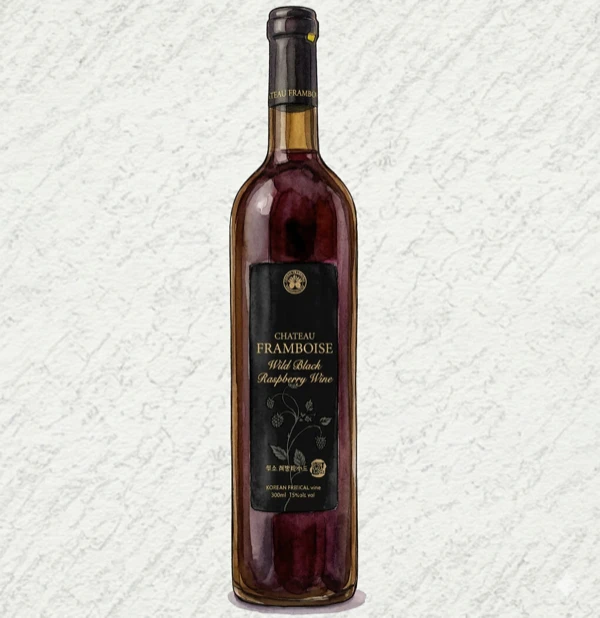
Seonunsan Black Raspberry Wine is a 13% ABV bokbunja wine from Heungjin Brewery in Gochang, Jeollabuk-do, offered in a 300ml format - the lightest and most accessible entry in the Seonunsan bokbunja lineup. With added spirit, purified water, fructose, citric acid, and aspartame rounding out the ingredient list alongside the Gochang black raspberries, this is designed for easy, casual enjoyment rather than concentrated contemplation. The nose is bright and berry-forward: fresh black raspberry, a touch of citrus from the acid addition, and gentle sweetness. On the palate, the body is light-medium with a smooth, effortless texture. The sweetness is approachable and the 13% ABV keeps things undemanding. The finish is short and clean, ending with a simple berry note. Serve well-chilled at 7-10°C as a casual aperitif, with cheese and crackers for a quick evening snack, alongside light desserts where the modest berry sweetness provides just enough fruit character, or simply as a standalone sip when you want bokbunja flavor without commitment.
The Spectrum of Korean Traditional Alcohol
Korean traditional alcohol (전통주, jeontonju) encompasses a remarkable range of beverages - from milky, low-alcohol rice wines to potent distilled spirits aged for years. The diversity rivals that of any wine-producing country, yet it remains largely unknown outside Korea.
Our database catalogs 1,188 products from 545 breweries across all 17 provinces and metropolitan areas of South Korea. These fall into six main categories, each with its own history, production methods, and drinking culture.
Understanding these categories is the first step to navigating the world of Korean alcohol. What follows is not just a classification guide - it's an invitation to explore one of the world's most underappreciated drinking traditions.
Makgeolli (막걸리) - Cloudy Rice Wine
Makgeolli is Korea's oldest and most democratic drink. Made from rice, nuruk (fermentation starter), and water, it produces a milky-white, slightly fizzy beverage that has sustained Korean farmers, scholars, and revelers for over a millennium.
Key characteristics:
- ABV: 5-8% (occasionally up to 12%)
- Appearance: Opaque, milky white with sediment
- Flavor: Sweet-tart balance, creamy texture, mild carbonation
- Varieties in our database: 350
Within the makgeolli category, you'll find dramatic variation. Saeng (생, fresh/unpasteurized) makgeolli is a living product that continues to ferment. Flavored varieties incorporate everything from chestnut to black rice to yuzu. Premium craft makgeolli from artisanal breweries can rival natural wines in complexity.
Makgeolli is the most approachable entry point for newcomers to Korean alcohol. Serve chilled, shake gently before pouring, and pair with pajeon (green onion pancake) for the authentic experience.
Traditional Soju (소주) - Distilled Rice Spirit
Traditional soju is a craft-distilled spirit - emphatically not the diluted commercial product in green bottles. Made by distilling fermented rice wine, traditional soju carries complex grain flavors, floral aromatics, and a smooth finish that reveals its centuries of heritage.
Key characteristics:
- ABV: 25-45% (some aged varieties up to 53%)
- Appearance: Crystal clear
- Flavor: Grain-forward, aromatic, smooth despite high proof
- Varieties in our database: 248
The history of Korean soju begins with Mongol-era distillation technology reaching the Korean Peninsula in the 13th century. Each region developed distinctive styles - Andong soju is perhaps the most famous, but there are remarkable expressions from every province.
Some traditional sojus are infused with botanicals: Igangju (이강주) with pear and cinnamon, pine nut soju, and ginseng soju. Others are aged in earthenware crocks or oak barrels, developing whiskey-like depth.
Cheongju (청주) - Clear Rice Wine
Cheongju literally means "clear alcohol" - it's the refined sibling of makgeolli. Made from the same base ingredients (rice, nuruk, water), cheongju undergoes additional filtration to produce a crystal-clear, golden-hued wine with delicate, nuanced flavors.
Key characteristics:
- ABV: 12-18%
- Appearance: Clear, ranging from pale gold to amber
- Flavor: Elegant, clean rice character, subtle sweetness, sometimes floral
- Varieties in our database: 126
Think of cheongju as Korea's answer to Japanese sake - both are clear rice wines, but cheongju uses nuruk (wheat-based starter) rather than koji (rice-based mold), giving it a distinctly different flavor profile. Cheongju tends to be slightly richer and more complex than commercial sake.
Historically, cheongju was the drink of the aristocracy and was used in ancestral rites (제사, jesa). Today it remains the most formal of Korean traditional drinks and pairs beautifully with refined Korean cuisine.
Fruit Wine (과실주) - Korean Fruit Wines
Korean fruit wines showcase the peninsula's diverse agricultural bounty. From plum and black raspberry to persimmon and omija (five-flavor berry), these wines capture flavors unique to Korean terroir.
Key characteristics:
- ABV: 7-15%
- Appearance: Varies widely - deep purple (bokbunja), golden (maesil), ruby red (omija)
- Flavor: Fruit-forward, ranging from dry and tart to sweet and dessert-like
- Varieties in our database: 223
Notable subcategories include:
- Maesil-ju (매실주) - Plum wine. Probably the most popular Korean fruit wine, with a sweet-tart flavor and amber color. Often homemade.
- Bokbunja-ju (복분자주) - Black raspberry wine from Gochang, Jeonbuk. Deep purple, slightly tannic, with rich berry flavors.
- Omija-ju (오미자주) - Five-flavor berry wine. True to its name, it hits sweet, sour, salty, bitter, and spicy notes.
- Meoru-ju (머루주) - Wild grape wine from mountainous regions. Korea's closest equivalent to traditional grape wine.
- Gam-ju (감주) - Persimmon wine. Sweet and warming, popular in fall and winter.
Liqueur (리큐르) - Flavored Spirits
Korean liqueurs are spirits with added flavors from fruits, herbs, flowers, or other ingredients. They bridge the gap between traditional categories, often combining distillation with maceration or infusion.
Key characteristics:
- ABV: 15-30%
- Appearance: Varies by ingredient - golden, green, red, or clear
- Flavor: Depends on base ingredient; often sweet with herbal or fruity notes
- Varieties in our database: 10
Common Korean liqueurs include ginseng-infused spirits (인삼주), pine needle liqueur (솔잎주), and chrysanthemum liqueur (국화주). These are often produced in small quantities and carry significant regional character.
Other Traditional Drinks
Korean alcohol tradition includes several beverages that don't fit neatly into the main categories. Our database includes 231 products in the "other" category, encompassing:
- Yakju (약주) - Literally "medicinal alcohol." A refined rice wine similar to cheongju, sometimes infused with medicinal herbs. The boundary between yakju and cheongju is historically blurry.
- Takju (탁주) - "Turbid alcohol." The broader category that includes makgeolli. Some turbid beverages don't use the makgeolli label but follow similar production methods.
- Grain wines - Rice wines made with additional grains like millet, barley, corn, or sweet potato. These produce unique flavors not found in pure rice-based drinks.
- Herbal preparations - Drinks made by infusing spirits with various Korean herbs, roots, and botanicals for flavor and perceived health benefits.
Which Type Should You Try First?
If you're new to Korean traditional alcohol, here's a suggested exploration path:
- Start with makgeolli - Low alcohol, approachable, forgiving. Get a saeng (unpasteurized) makgeolli from a craft brewery for the real experience.
- Try cheongju next - If you enjoy sake or white wine, cheongju will feel familiar but offer new dimensions.
- Explore fruit wines - Maesil-ju (plum wine) is the safest bet. Bokbunja (black raspberry) for something more adventurous.
- Graduate to traditional soju - Start with a lower-proof option (25-30%) like Hwayo 25. Work your way up to the 40%+ artisanal expressions.
Whatever you choose, Korean traditional alcohol rewards curiosity. Each bottle is a window into a specific place, tradition, and brewer's craft.
Frequently Asked Questions
What is the most popular type of Korean traditional alcohol?
By variety, makgeolli leads with 350 varieties in our database, reflecting its deep regional roots. However, commercial soju (the green-bottle kind) dominates actual consumption in Korea. Among traditional (craft) products, makgeolli has the widest consumer base thanks to its accessibility and low price point.
Is Korean alcohol similar to Japanese sake?
Cheongju is the closest equivalent to sake - both are clear, filtered rice wines. However, cheongju uses nuruk (wheat-based starter) while sake uses koji (rice-based mold), producing distinctly different flavor profiles. Korean alcohol as a whole is far more diverse than sake alone, ranging from cloudy rice wines to distilled spirits to fruit wines.
What Korean alcohol has the highest alcohol content?
Traditional soju can reach 45-53% ABV, making it the strongest category. For reference, Hwayo 53 and some Andong soju varieties are among the highest-proof traditional Korean spirits. In contrast, makgeolli is the lightest at 5-8% ABV.
Are all traditional Korean alcohols made from rice?
Most are rice-based, but not all. Fruit wines use various Korean fruits. Some traditional sojus incorporate millet, wheat, or sweet potato. Herbal liqueurs may use a grain or fruit base infused with botanicals. The unifying thread is traditional production methods rather than a single ingredient.