Korean Cheongju Guide: The Refined Clear Rice Wine
Cheongju is a clear Korean rice wine. Learn how it differs from cloudy makgeolli and Japanese sake, then compare bottles by ABV and producer.
Quick answer
Cheongju is a clear, refined Korean rice wine. It is closer to Japanese sake than makgeolli in appearance and typical strength, but it remains a distinct Korean category and should not be treated as another name for sake.
Explore next
Bottles to compare
Move from the guide to product pages with ABV, tasting notes, and producer links.
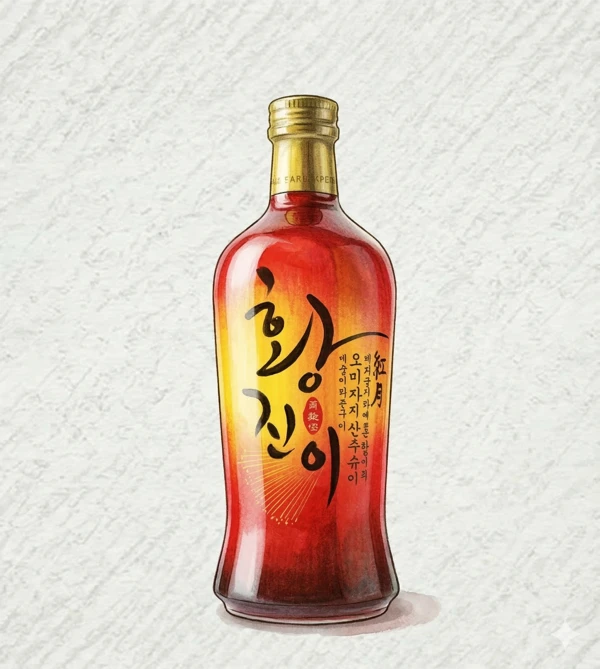
Hwangjiniju
황진이주
Hwangjiniju is a 13% ABV cheongju from Sulsori Brewery in Jeollabuk-do, built on domestic omija (five-flavor berry) and cornelian cherry (sansuyu) rather than a conventional rice-only base. The omija is the star - it introduces a layered, shifting flavor profile that cycles through sweet, sour, salty, bitter, and pungent notes in a single sip, a sensory experience unique to this Korean berry. The nose opens with tart berry and warm cornelian cherry, creating a ruby-hued aroma profile. On the palate, the body is medium and polished, with the five-flavor complexity threading elegantly through each sip. The finish is moderate and clean, with a lingering berry-fruit warmth. Winner of the 2012 and 2013 Korea Traditional Liquor Awards (Excellence and Grand Prize respectively) plus 2014 Monde Selection recognition. Serve at 8-11°C with hoe where the berry tartness plays against the sesame oil, or alongside hanjeongsik where the five-flavor complexity enhances each course.
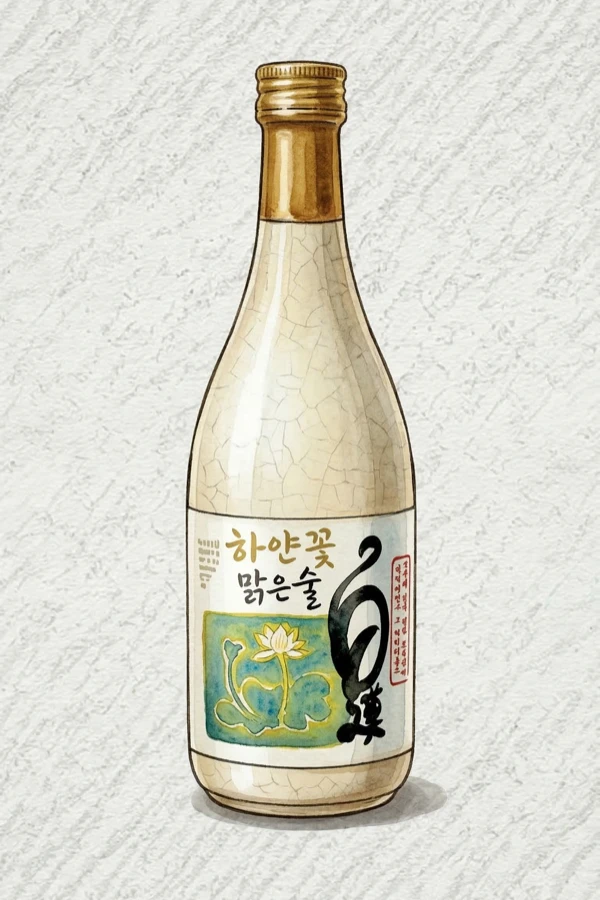
Hayan Lotus Baekryeonmalkeun Sul
하얀연꽃 백련맑은 술
Hayan Lotus Baekryeonmalkeun Sul is a 12% ABV cheongju from Sinpyeong Brewery in Chungcheongnam-do, built on Korean rice with white lotus leaf (baekryeonip) as the botanical accent. The lotus leaf introduction is subtle but structurally important - it adds a clean, aquatic-herbaceous tone that prevents the rice base from settling into monotony. The nose carries steamed rice and a cool, green lotus-pad fragrance, almost like morning dew on leaves. On the palate, the body is medium-light with a polished, fluid texture. The rice sweetness is gentle and the lotus leaf threads through as a persistent green freshness that keeps each sip feeling renewed. The finish is moderate and clean, with a faint vegetal dryness. The brewery holds a Food Master certification and was designated a 2013 Visiting Brewery; the same year, it received an Encouragement Award at the Korea Traditional Liquor Awards in the yakcheongju category. Serve at 8-11°C with hoe where the lotus's aquatic quality resonates with the sea, alongside grilled fish where the herbal lift cuts through oils, or in a formal hanjeongsik setting where its quiet sophistication matches the pace of courses.
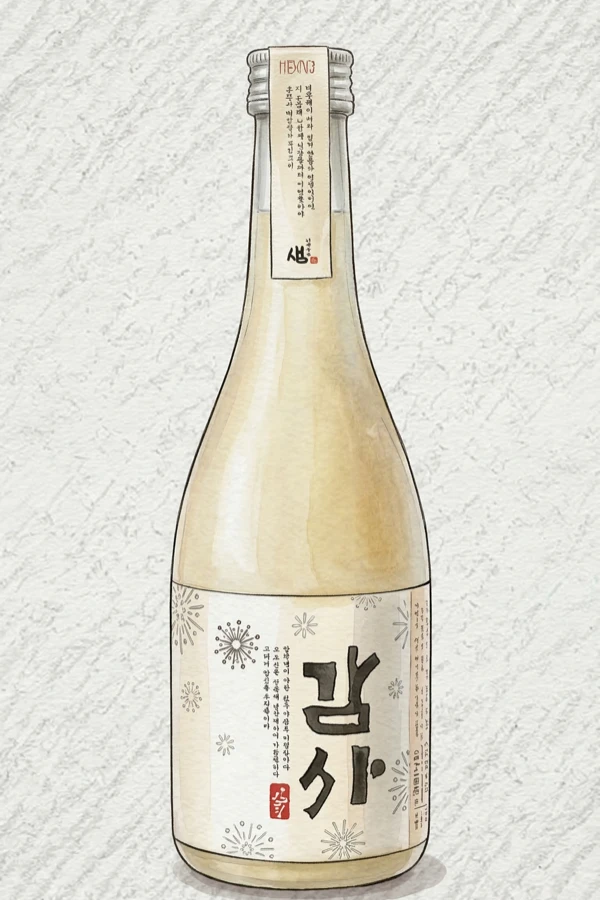
Gamsa
감사
Persimmonsa (Gamsa) is a 14% ABV cheongju from Sulsaem Brewery in Gyeonggi-do, brewed with 100% Gyeonggi-grown rice, nuruk, and purified water. Like its Blue sibling from the same brewery, Gamsa commits to terroir-driven simplicity - no added botanicals or sweeteners, just Gyeonggi rice purity expressed through careful fermentation. The nose offers steamed rice with a delicate yeast note. On the palate, the body is medium-light and clean, with a smooth texture that supports rather than masks food flavors. The midpalate carries a brief, restrained grain sweetness before a dry, precise finish. Winner of the 2017 Korea Traditional Liquor Awards Excellence Award in the yakcheongju category, and designated a 2017 Visiting Brewery. Serve at 10-12°C with hoe (raw fish) where the drink's purity lets each fish speak, or alongside jeonbok-gui (grilled abalone) where the clean body amplifies the shellfish sweetness.
What Is Cheongju?
Cheongju (청주) means "clear liquor." It is the clear portion separated from a fermented grain mash. The Korea Tourism Organization's Hansan Sogokju guide identifies cheongju as refined rice wine made by filtering a fermented grain brew until clear.
That clarity distinguishes it from cloudy makgeolli. It can resemble Japanese sake in appearance and strength, but ingredients and brewing methods vary among Korean producers. Check each bottle's ABV, ingredients, and brewery rather than using sake as a substitute label.
Browse the cheongju catalog to compare the bottles currently recorded in this database.
How Cheongju Differs from Makgeolli
Traditional brewing can separate a fermented grain mash into a clear portion and a cloudy portion. Cheongju and makgeolli are therefore closely related, but commercial bottles do not all begin with one identical recipe:
| Cheongju | Makgeolli | |
|---|---|---|
| Appearance | Clear, golden to pale amber | Milky white, opaque |
| Filtration | Pressed and filtered to clarity | Coarsely strained or unfiltered |
| Typical strength | Often higher, but product-specific | Many common bottles are about 4-8% ABV |
| Texture | Clearer and lighter | Retained grain solids add body |
| Carbonation | Usually still | Still or sparkling, depending on the bottle |
| Storage | Follow the bottle label | Unpasteurized bottles usually require refrigeration |
The practical distinction is clarity. Choose cheongju for a clear pour and makgeolli for a cloudy drink with retained solids. Then check the individual label for ingredients, ABV, pasteurization, and storage.
Cheongju vs Japanese Sake
Cheongju and sake are both clear fermented rice drinks, so the comparison is useful. The names are not interchangeable:
| Cheongju | Japanese Sake | |
|---|---|---|
| Category | Korean refined clear rice wine | Japanese seishu |
| Starter | Recipe-specific; may use nuruk or other starters | Rice koji is essential to sake-making |
| Appearance | Generally clear | Generally clear to straw-colored |
| Strength | Varies by bottle | National Tax Agency samples average about 15% ABV |
| Label clues | Alcohol type, ingredients, ABV, brewery | Ingredients, ABV, and designations such as junmai or ginjo |
Neither category promises a single flavor. For a direct category comparison, see the Korean rice wine vs sake guide.
How to Choose a Cheongju
Use four label details to narrow the catalog:
- ABV: Compare strength before assuming a serving size.
- Ingredients: Rice, starter, herbs, and other additions can change the style.
- Pasteurization: This affects storage and how the drink may change after bottling.
- Producer and region: Use the brewery page to distinguish similarly named products.
Browse the cheongju catalog or compare the three bottles linked above.
How to Serve Cheongju
Start with the producer's label because serving and storage guidance vary:
- Temperature: Taste a small pour chilled first. Warm only when the producer recommends it or when you know the bottle suits warming.
- Glassware: A small cup controls the pour; a wine glass makes aroma easier to assess.
- Pouring: When drinking in a Korean social setting, the drinking etiquette guide explains when two-handed pouring is expected.
- Pace: Check the ABV and pour accordingly. Cheongju is not automatically the same strength as everyday makgeolli.
Food Pairings
Cheongju's clean, refined character makes it an excellent partner for dishes where delicacy matters:
- Hoe (회) / Sashimi - The clean rice wine enhances the freshness of raw fish without competing. This is perhaps the most classic cheongju pairing.
- Japchae (잡채) - Glass noodles with vegetables and sesame. The gentle sweetness of both complement each other beautifully.
- Jeon (전) - Korean savory pancakes. Haemul-jeon (seafood) and hobak-jeon (zucchini) are particularly good with cheongju.
- Namul (나물) - Seasoned vegetable side dishes. The herbal notes of namul echo cheongju's own botanical qualities.
- Steamed dishes - Steamed fish, dumplings (mandu), and steamed egg (gyeran-jjim) all pair wonderfully with cheongju's light body.
Avoid pairing cheongju with heavily spicy or greasy dishes - those flavors will overwhelm it. Save soju for those occasions. For more pairing ideas, see our food pairing guide.
The Brewing Process
Recipes vary, but a traditional clear rice wine process can include these stages:
- Grain preparation: The brewer prepares rice or another declared grain for fermentation.
- Starter and water: A Korean fermentation starter and water are combined with the grain according to the producer's recipe.
- Fermentation: Enzymes convert starch to sugar while yeast converts sugar to alcohol.
- Separation: The clear portion is separated from the fermented mash.
- Finishing: The producer may clarify, mature, pasteurize, dilute, or bottle the drink according to the intended style.
For the complete Korean brewing process guide, see our dedicated article.
Frequently Asked Questions
Is cheongju the same as sake?
No. Both are clear fermented rice drinks, but cheongju is a Korean category and sake is a Japanese seishu category. Korean starters vary by recipe, while rice koji is essential to Japanese sake-making.
Can I warm cheongju like sake?
Some cheongju can be warmed, but it is not a rule for every bottle. Start with the producer's serving guidance and taste a small chilled pour before changing the temperature.
How long does cheongju last after opening?
Use the bottle's storage and use-by guidance. Refrigerate after opening unless the producer says otherwise, and do not apply a generic shelf life because pasteurization and packaging vary.
Why is cheongju less well-known than makgeolli or soju?
International drinkers more often encounter the names makgeolli and soju. Cheongju may also appear beside the related term yakju, so searching both names can surface more Korean clear rice wines.