Korean Drinking Culture & Etiquette: A Complete Guide
Master Korean drinking customs from pouring etiquette and elder-first rules to anju traditions, hoesik culture, and classic drinking games.
Explore next
Bottles to compare
Move from the guide to product pages with ABV, tasting notes, and producer links.
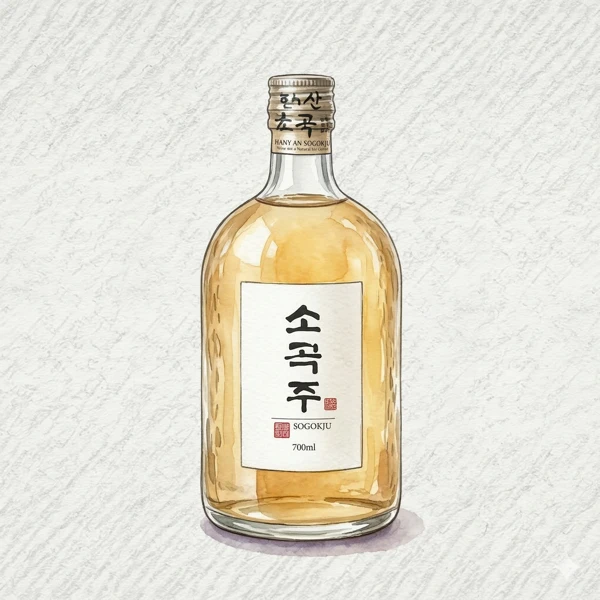
Hansan Sogokju
한산소곡주
Hansan Sogokju is an 18% ABV brew from Hansansogokju Brewery in Chungcheongnam-do, one of Korea's most storied traditional spirits. Made with glutinous and non-glutinous rice, it carries designation as Chungcheongnam-do Intangible Cultural Heritage No. 3, is produced by Traditional Food Master No. 19 Woo Hee-yeol, won the 2001 Korean Traditional Food Grand Prize, and received a 2007 Presidential Commendation. The dual-rice approach creates a body that is dense and honey-like yet structured enough to stay composed at 18%. The nose is concentrated: caramelized grain, dried jujube, and a warm yeast note. On the palate, the sweetness is generous but the non-glutinous rice prevents it from becoming one-dimensional, adding a dry backbone that keeps the palate refreshed. The finish is long and warming, with a nurungji-like scorched grain echo. Serve at 14-16°C alongside samhap (fermented skate, kimchi, pork wraps) where the drink's strength and sweetness manage the triple intensity, or with jeon where the rich body matches the oily textures.
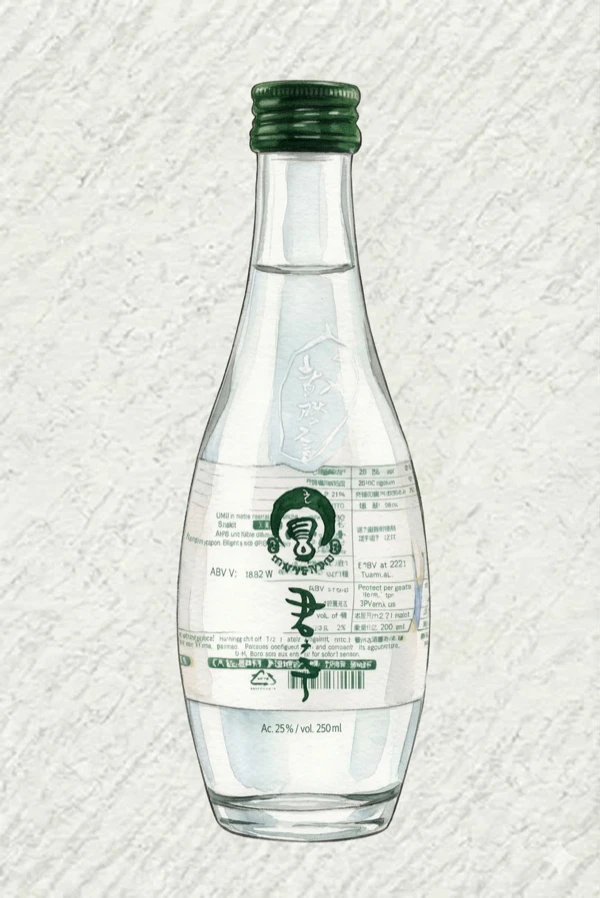
Baekje Hansan Gunju
백제한산군주
Baekjehansangunju is a 25% ABV blended spirit from Chungcheongnam-do, made with glutinous rice, water, non-glutinous rice, spirit (jujeong), yeast, red chili, gujeolcho (chrysanthemum sibiricum), fructose, salt, and stevia. This is one of the more complex ingredient lists in Korean traditional spirits, layering grain fermentation with botanical infusion. The Baekje reference ties the spirit to the ancient Korean kingdom that flourished in the Chungcheong region, while the inclusion of red chili and gujeolcho creates a flavor profile that defies simple categorization. The nose opens with warm grain sweetness from the dual rice base, a gentle floral note from the gujeolcho, and a subtle peppery warmth hinting at the red chili. On the palate, the body is light-medium with a smooth texture. The grain sweetness from glutinous and non-glutinous rice creates a familiar, comforting foundation. The red chili appears not as heat but as a gentle warming spice that adds character, while gujeolcho contributes a subtle herbal-floral layer. The added spirit rounds the proof, fructose and stevia balance sweetness, and salt integrates the flavors. The finish is moderate and clean, with lingering grain warmth and a faint herbal-spice echo. The compact 250ml bottle suits focused tasting. Serve at room temperature with traditional Korean snacks, alongside banchan where the spirit's subtle complexity adds interest, or with savory-sweet preparations where the chili and herbal notes find resonance.
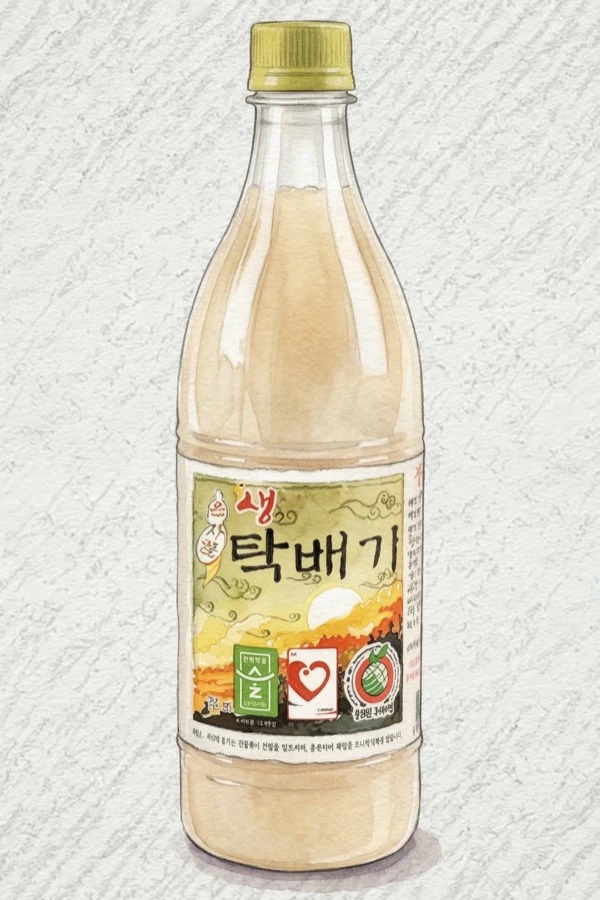
Eunjagol Fresh Tak Peargi
은자골 생 탁배기
Eunjagol Fresh Tak is a 5% ABV draft-style makgeolli from Gyeongsangbuk-do with a creamy, freshly brewed character that feels immediately approachable. Made with white rice, wheat flour, starch syrup, nuruk, and enzymes, it delivers the classic makgeolli experience - mild, slightly sweet, and texturally soft - in an unfiltered, living format. A 2016 Visit Korean Brewery designation and the 2016 Korea Woorisool Awards Grand Prize in the fresh makgeolli category confirm its quality credentials.
Pouring Etiquette: The Foundation of Korean Drinking
In Korea, how you pour and receive a drink says as much about you as what you drink. The rules are simple but deeply meaningful, rooted in Confucian respect for hierarchy and social harmony.
- Two hands - Always pour with two hands. The pouring hand holds the bottle while the other hand supports the wrist or the bottom of the bottle. When receiving, hold your glass with both hands as well.
- Elder-first - The youngest person at the table pours for the eldest first. You never pour your own drink; someone else always fills your glass for you.
- Turn away - When drinking in the presence of someone older or of higher status, turn your head and body slightly away from them. This shows deference and is one of the most recognized Korean drinking customs.
- Empty before refilling - Finish your glass before it is refilled. Topping off a half-full glass is considered impolite in most traditional settings.
- Accept offered drinks - Refusing a drink from an elder or senior can be seen as disrespectful. If you truly cannot drink, explain politely and hold your glass with two hands as they pour water or a soft drink instead.
These rules apply most strictly with soju and cheongju, but the two-hand pour is universal across all Korean alcohol.
Anju: Food and Drink as Inseparable Partners
In Korea, drinking without food is almost unthinkable. The word anju (안주) refers to food eaten alongside alcohol, and it is not an afterthought - it is half the experience.
Every type of Korean alcohol has its ideal anju. Makgeolli pairs with pajeon (green onion pancake) and tofu kimchi. Soju goes with samgyeopsal (grilled pork belly) and fried chicken. Cheongju calls for more refined dishes like japchae or sashimi. The pairing is so important that many restaurants and bars design their menus around it.
For a deeper dive into specific food-and-drink matches, see our food pairing guide.
Ordering "just drinks" at a Korean bar is possible, but it's uncommon. Most drinking establishments require at least one anju order per table, and choosing the right combination is considered a social skill.
Hoesik: Company Drinking Culture
Hoesik (회식) literally means "gathering to eat," but in practice it refers to company-sponsored group dinners that almost always involve heavy drinking. For decades, hoesik was considered mandatory - refusing could harm your career.
A typical hoesik follows a structured pattern:
- First round (1차) - Dinner at a Korean BBQ restaurant or similar, with soju and beer. The team lead or manager usually initiates the first toast.
- Second round (2차) - Move to a bar, noraebang (karaoke room), or pub for more drinks and socializing.
- Third round (3차) - A smaller group continues to a late-night spot. This round is rarely mandatory but is where the deepest bonding happens.
Historically, refusing rounds was frowned upon. However, Korean workplace drinking culture has shifted significantly since the 2010s. The term "MZ generation" (millennials and Gen Z) is often invoked in discussions about declining hoesik participation. Many companies now make second and third rounds optional, and younger employees increasingly set boundaries without stigma.
Drinking Games
Korean drinking games are a staple of social gatherings, from college outings to office hoesik. They keep energy high and create shared experiences (or shared embarrassment). Here are the most popular ones:
- Flick the cap (병뚜껑 치기) - After opening a bottle of soju, twist the tail of the cap's seal into a tight coil. Players take turns flicking it. The person who flicks it off gets to make someone else drink.
- Baskin Robbins 31 - Players count up from 1, each saying one to three numbers per turn. The person forced to say "31" drinks.
- Nunchi game (눈치 게임) - Everyone must stand up and call out consecutive numbers, one at a time. If two people stand at the same time, both drink.
- Image game (이미지 게임) - Someone asks "Who at this table is most likely to..." and everyone points at who they think fits. The person with the most fingers pointed at them drinks.
- Soju bottle spin - A variation of spin the bottle, where the bottle is spun and the person it points to must answer a question or drink.
These games are typically played with commercial soju or beer. Playing drinking games with traditional premium spirits would be considered wasteful - those are for savoring.
Traditional Drinking Vessels and Settings
Korean drinking culture has its own distinct material culture. The vessels and settings matter:
- Soju glass (소주잔) - Small, cylindrical glass holding about 50ml. The standard for commercial soju and many traditional spirits.
- Makgeolli bowl (막걸리 사발) - A wide, shallow bowl traditionally used for makgeolli. The broad surface lets you appreciate the aroma and the milky appearance.
- Cheongju cup (청주잔) - Smaller, more elegant ceramic cups, sometimes paired with a matching pouring vessel (주전자).
- Kettles and pourers - Metal or ceramic kettles (주전자) are used for serving makgeolli and cheongju at the table, keeping the drink cool and making pouring easier.
Traditional drinking settings also carry significance. Drinking outdoors - under cherry blossoms in spring, or at a mountain hut in autumn - has a long poetic tradition in Korea. The concept of "풍류" (pungryu, refined enjoyment of nature) ties drinking to appreciation of the natural world.
Historical Context: Drinking Through the Centuries
Korean drinking culture stretches back millennia. Rice-based fermented beverages existed on the Korean Peninsula well before the Three Kingdoms period (57 BC - 668 AD). By the Goryeo Dynasty (918-1392), sophisticated brewing techniques had produced hundreds of regional specialties.
The Joseon Dynasty (1392-1897) brought both refinement and regulation. Confucian scholars debated proper drinking conduct, establishing many of the etiquette norms that survive today. At the same time, regional brewing flourished - nearly every village had its own house recipe for makgeolli or yakju.
Japanese colonial rule (1910-1945) devastated traditional brewing. The colonial government imposed licensing requirements that shut down home brewing and consolidated production into large factories. After liberation, the Korean government's own grain-saving measures further pushed traditional methods aside in favor of industrial production.
The revival of traditional Korean alcohol since the early 2000s represents a reconnection with centuries of lost heritage. Today, over 1,000 traditional alcohol products are registered in Korea, and cultural interest continues to grow.
Modern Changes and the New Drinking Culture
Korean drinking culture is evolving rapidly. Several major shifts are reshaping how Koreans drink:
- Declining consumption - Per-capita alcohol consumption in Korea has been falling steadily. Health consciousness and changing social norms are reducing the pressure to drink heavily.
- Honhon and honsul (혼술) - "Solo drinking" has gone from stigma to trend. Bars and restaurants increasingly cater to solo drinkers, and the practice is normalized in media.
- Premium and craft - Interest in craft makgeolli, traditional soju, and fruit wines is growing among younger drinkers who prefer quality over quantity.
- Low-alcohol preference - Products under 10% ABV are booming. Flavored soju, sparkling makgeolli, and fruit-infused drinks now dominate convenience store shelves.
- Workplace reform - Companies are officially reducing mandatory hoesik and respecting employees' right to decline alcohol. This was reinforced by revised labor guidelines in the 2020s.
The result is a drinking culture that retains its communal spirit - Koreans still love gathering over food and drink - while becoming more personal, more diverse, and more respectful of individual choice.
Frequently Asked Questions
Is it rude to refuse a drink in Korea?
In traditional settings, especially with elders or at formal work gatherings, refusing a drink outright can be considered impolite. However, attitudes are changing rapidly. It is now more acceptable to politely decline or to accept the glass but not drink it. Saying you are driving, on medication, or simply choosing not to drink is increasingly respected.
Do I always have to use two hands when pouring?
When drinking with someone older or of higher status, yes - using two hands is expected and important. Among close friends of the same age, the rules are much more relaxed, and one-handed pouring is common. When in doubt, use two hands. It never offends.
What should I order as anju if I don't know Korean food?
Fried chicken (치킨) is a universally safe and popular anju choice that pairs with almost anything. Dubu-kimchi (tofu with stir-fried kimchi) is another easy option. If you are at a BBQ restaurant, the meat itself is the anju. You can also check our food pairing guide for specific drink-and-food combinations.
How has Korean drinking culture changed for younger generations?
Younger Koreans drink less frequently and in smaller quantities than previous generations. They are more likely to choose what they want to drink rather than defaulting to soju, more willing to decline drinks at work gatherings, and more interested in craft and traditional alcohol. Solo drinking and low-alcohol options are also much more popular among younger drinkers.