Korean Rice Wine vs Japanese Sake: Key Differences
Makgeolli is cloudy and unrefined, while cheongju is clear and closer to sake. Compare the Korean categories with Japanese sake by filtration, starter, and strength.
Quick answer
Korean rice wine is not one single equivalent of Japanese sake. Makgeolli is cloudy and unrefined, while cheongju is clear and the closer comparison. Japanese sake is a separate Japanese category that uses rice koji in brewing.
Explore next
Bottles to compare
Move from the guide to product pages with ABV, tasting notes, and producer links.
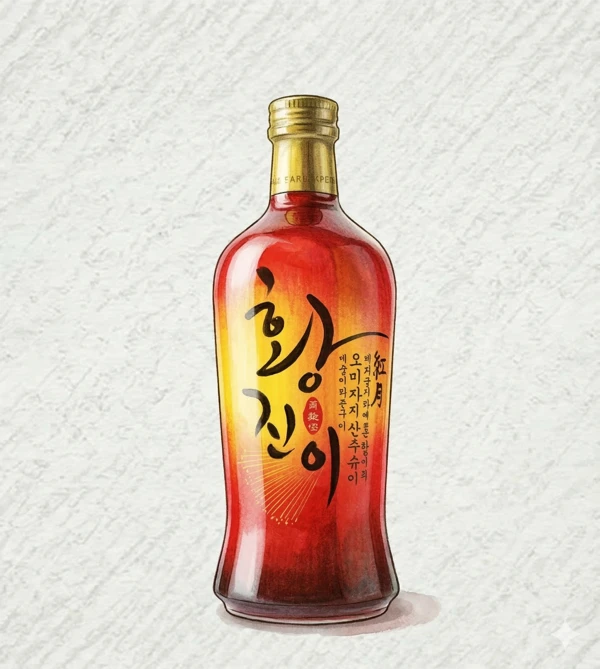
Hwangjiniju
황진이주
Hwangjiniju is a 13% ABV cheongju from Sulsori Brewery in Jeollabuk-do, built on domestic omija (five-flavor berry) and cornelian cherry (sansuyu) rather than a conventional rice-only base. The omija is the star - it introduces a layered, shifting flavor profile that cycles through sweet, sour, salty, bitter, and pungent notes in a single sip, a sensory experience unique to this Korean berry. The nose opens with tart berry and warm cornelian cherry, creating a ruby-hued aroma profile. On the palate, the body is medium and polished, with the five-flavor complexity threading elegantly through each sip. The finish is moderate and clean, with a lingering berry-fruit warmth. Winner of the 2012 and 2013 Korea Traditional Liquor Awards (Excellence and Grand Prize respectively) plus 2014 Monde Selection recognition. Serve at 8-11°C with hoe where the berry tartness plays against the sesame oil, or alongside hanjeongsik where the five-flavor complexity enhances each course.
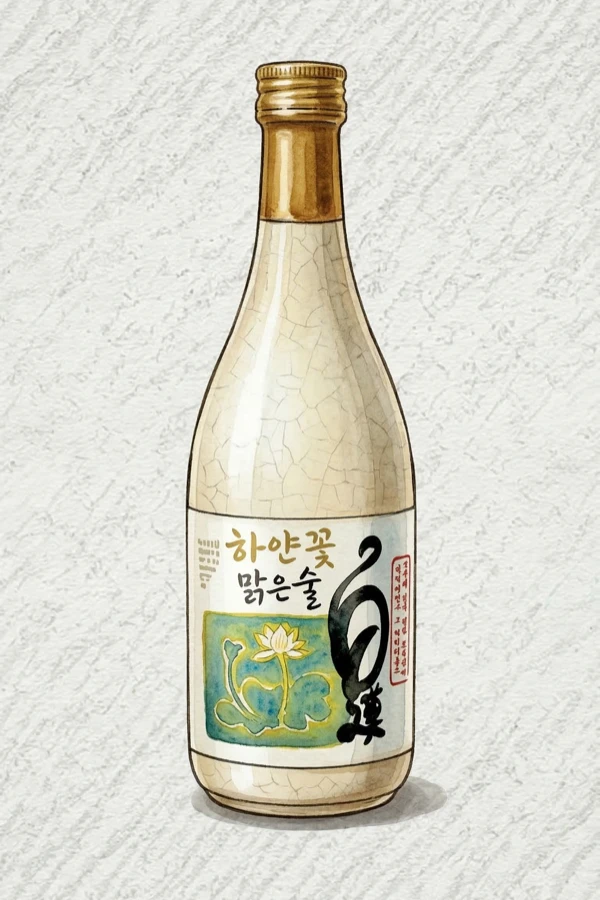
Hayan Lotus Baekryeonmalkeun Sul
하얀연꽃 백련맑은 술
Hayan Lotus Baekryeonmalkeun Sul is a 12% ABV cheongju from Sinpyeong Brewery in Chungcheongnam-do, built on Korean rice with white lotus leaf (baekryeonip) as the botanical accent. The lotus leaf introduction is subtle but structurally important - it adds a clean, aquatic-herbaceous tone that prevents the rice base from settling into monotony. The nose carries steamed rice and a cool, green lotus-pad fragrance, almost like morning dew on leaves. On the palate, the body is medium-light with a polished, fluid texture. The rice sweetness is gentle and the lotus leaf threads through as a persistent green freshness that keeps each sip feeling renewed. The finish is moderate and clean, with a faint vegetal dryness. The brewery holds a Food Master certification and was designated a 2013 Visiting Brewery; the same year, it received an Encouragement Award at the Korea Traditional Liquor Awards in the yakcheongju category. Serve at 8-11°C with hoe where the lotus's aquatic quality resonates with the sea, alongside grilled fish where the herbal lift cuts through oils, or in a formal hanjeongsik setting where its quiet sophistication matches the pace of courses.
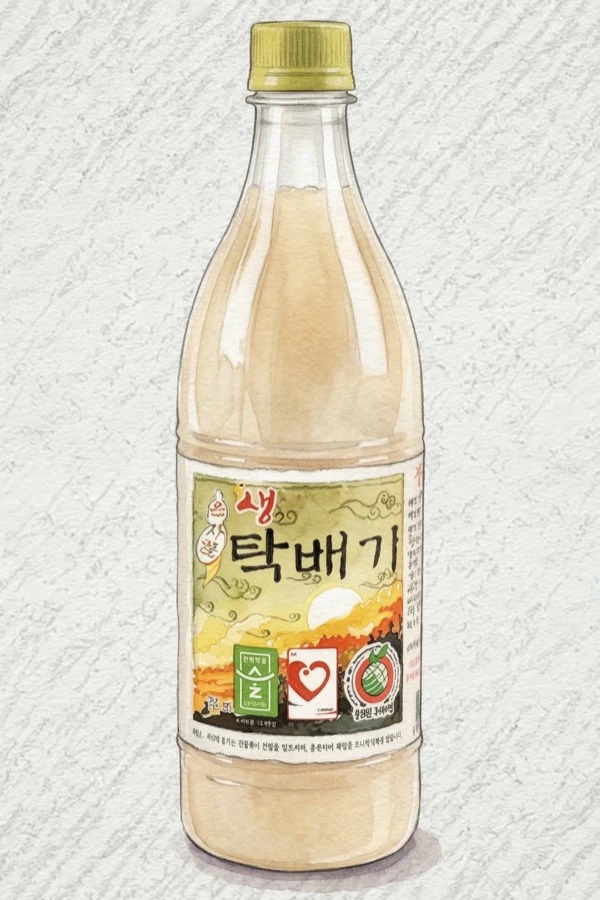
Eunjagol Fresh Tak Peargi
은자골 생 탁배기
Eunjagol Fresh Tak is a 5% ABV draft-style makgeolli from Gyeongsangbuk-do with a creamy, freshly brewed character that feels immediately approachable. Made with white rice, wheat flour, starch syrup, nuruk, and enzymes, it delivers the classic makgeolli experience - mild, slightly sweet, and texturally soft - in an unfiltered, living format. A 2016 Visit Korean Brewery designation and the 2016 Korea Woorisool Awards Grand Prize in the fresh makgeolli category confirm its quality credentials.
Korean Rice Wine and Sake at a Glance
Korea's official international terminology separates cloudy makgeolli from clear yakju and cheongju. Japan's National Tax Agency defines rice koji as steamed rice cultivated with Aspergillus oryzae and identifies it as essential to Japanese sake-making.
If you searched for "Korean sake," start with cheongju because it is clear and often closer to sake in strength. Choose makgeolli when you want an opaque drink with retained grain solids and, in many products, lower alcohol and some carbonation.
The Brewing Process
Both traditions need enzymes to convert rice starch into fermentable sugar, but they do not use one universal recipe:
- Korean brewing: Many traditional recipes use nuruk, a fermentation starter that can be made from wheat or rice. Current products may also use cultivated starters, enzymes, or additional grains, so check the ingredient list.
- Japanese sake: Rice koji is steamed rice cultivated with Aspergillus oryzae. Its enzymes convert rice starch into sugar while yeast produces alcohol.
The starter matters, but it does not predict the whole drink. Filtration, rice treatment, fermentation, pasteurization, carbonation, and the individual producer also shape the result.
Makgeolli vs Sake
Makgeolli retains fine grain solids, while sake is separated from its fermented mash and is generally clear. Bottle styles vary, but these category-level differences are a useful starting point:
| Aspect | Makgeolli | Sake |
|---|---|---|
| Appearance | Milky white, opaque | Clear to slightly amber |
| Typical strength | Many common bottles are about 4-8% ABV | National Tax Agency samples average about 15% ABV |
| Carbonation | Still or sparkling, depending on the product | Usually still |
| Texture | Grain sediment adds body | Clearer and lighter in texture |
| Storage | Follow the label; unpasteurized bottles usually require refrigeration | Follow the producer's storage and opening guidance |
| Serving | Commonly chilled | Can be served across a wider temperature range |
Do not assume every cloudy bottle is live or carbonated. Pasteurization and active fermentation are product-specific.
Cheongju vs Sake
Cheongju is the closest Korean category for a visual comparison with sake because both are clear fermented rice drinks. It is not a direct equivalent:
- Category: Cheongju belongs to Korea's refined clear rice wine group. Sake belongs to Japan's seishu category.
- Starter: Korean recipes vary and may use nuruk or other starters. Rice koji is essential to Japanese sake-making.
- Label system: Japanese designations such as ginjo, junmai, and honjozo have defined production and ingredient rules. Korean labels use their own alcohol type and ingredient declarations.
- Strength: The ranges overlap, but the exact ABV must be checked on each bottle.
For a sake drinker exploring Korean alcohol, cheongju is a practical starting category. Compare the producer, ingredients, and ABV rather than looking for a one-to-one sake grade.
What the Flavor Comparison Can and Cannot Tell You
Category gives you a useful clue about texture, but it cannot guarantee a flavor:
- Makgeolli: Retained solids can create more body. Sweetness, acidity, fruit additions, and carbonation vary widely.
- Cheongju: Clarity removes the grainy texture, but bottles can range from dry to sweet and from restrained to aromatic.
- Japanese sake: Style changes with ingredients and production designation. Ginjo examples may show fruity aromas, while junmai is an ingredient designation rather than a single flavor promise.
Use the bottle's ABV, ingredients, producer notes, and serving guidance for a specific comparison.
Food Pairing Differences
The food pairing traditions reflect each drink's character:
- Makgeolli: Pairs with savory pancakes (jeon), spicy stews, and fried foods. The carbonation and acidity cut through rich flavors.
- Cheongju: Best with delicate dishes: steamed fish, hanjeongsik, and subtle banchan.
- Sake: Versatile, from sashimi to grilled meats. Lighter sake with delicate foods, fuller junmai with richer dishes.
These are starting points, not rules. Acidity, sweetness, carbonation, and serving temperature matter more than nationality alone.
Names to Look For
Labels and menus may use several related names:
- Makgeolli or takju: The cloudy Korean category.
- Yakju or cheongju: Korea's refined clear fermented category in current international K-Sool terminology.
- Sake, nihonshu, or seishu: Related Japanese terms whose exact use depends on the label and legal context.
"Korean sake" can help someone describe what they are searching for, but it is not an exact product category. Use cheongju when you mean the clear Korean drink.
Frequently Asked Questions
Is Korean rice wine the same as sake?
No. Korean rice wine can mean cloudy makgeolli or clear cheongju. Japanese sake belongs to a separate Japanese category and uses rice koji in its brewing process.
Which is stronger, makgeolli or sake?
Sake is usually stronger than everyday makgeolli. Common makgeolli is often about 4% to 8% ABV, while Japanese National Tax Agency samples average about 15% ABV. Check the bottle because both categories vary.
Can I substitute sake for Korean rice wine in cooking?
Cheongju is the closer substitute because it is clear, while cloudy makgeolli changes texture and acidity. The recipe and the bottle's sweetness still matter, so the substitution is not exact.
Which should I try first as a beginner?
Choose makgeolli for a cloudy drink with more body and often lower alcohol. Choose cheongju when you want a clear Korean rice wine that is easier to compare with sake.