Korean Fruit Wine Guide: Sweet, Refreshing & Unique
Explore Korean fruit wines from plum to raspberry to citrus. Learn about production methods, ABV ranges, flavor profiles, food pairings, and serving tips.
Explore next
Bottles to compare
Move from the guide to product pages with ABV, tasting notes, and producer links.
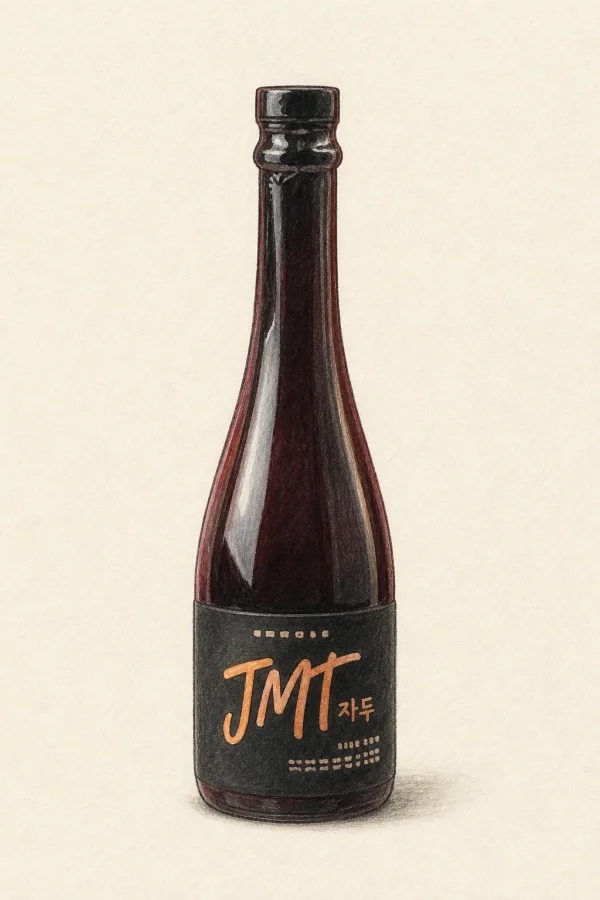
JMT Plum
JMT 자두
JMT Plum is a 16% ABV fruit liqueur from Gaya Brewery in Gyeongsangnam-do, built on a plum liqueur base containing Korean-grown plum. Ripe plum character leads from the first sip, delivering sweet, fruit-forward intensity that is structured enough by the higher proof to avoid feeling one-dimensional. The alcohol gives it weight and length, preventing the sweetness from tipping into syrupy territory. Served chilled, it works particularly well with cheese plates, dessert courses, and light snacks.
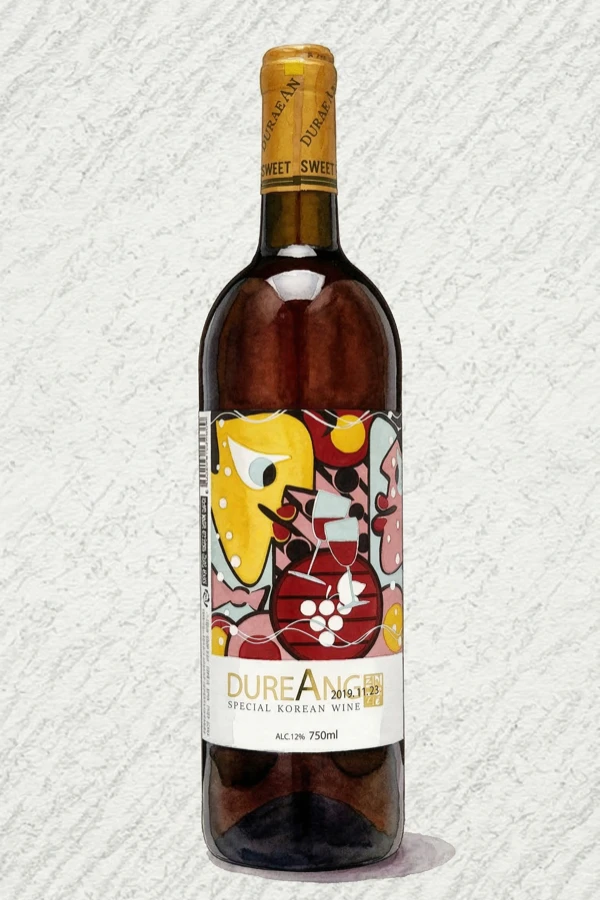
Dureang Wine
두레앙와인
Dureang Wine is a 12% ABV fruit wine from Chungcheongbuk-do, built on Geobong (Kyoho) grapes with an intensely fragrant, sweet character. Geobong grapes are among the most aromatic table grapes in Korea, and that quality carries directly into the wine - you get big, generous grape perfume from the moment the bottle is opened. The nose presents candied grape, grape blossom, and a whisper of honeyed stone fruit. On the palate, the body is light-medium with a smooth, almost silky texture. The sweetness is ample but not aggressive, with enough natural grape acidity underneath to maintain shape and prevent monotony. The mid-palate has a juicy, musky quality characteristic of Kyoho-family grapes, followed by a clean finish of moderate length. A commendation at the 2007 Korea Liquor Quality Awards positions this as an early pioneer in Korea's domestic fruit-wine scene, a time when most attention went to imported bottles. The 750ml format makes it suitable for sharing at the dinner table. Serve at 8-12°C with raw fish (hoe) where the grape sweetness counterbalances the briny freshness of seafood, with soft young cheese, or alongside fruit-forward appetizers.
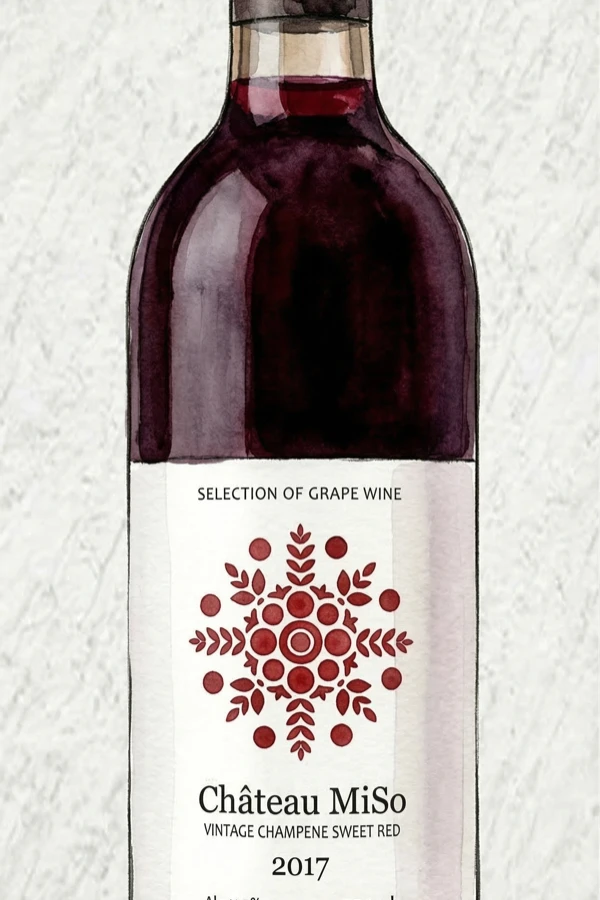
Chateau Miso Red Sweet
샤토미소 레드 스위트
Chateau Miso Red Sweet is a 12% ABV sweet red fruit wine from Doranwon Brewery in Chungcheongbuk-do, made from grapes with yeast, sugar, and antioxidant stabilization. Where its dry sibling leans into structure and tannin, this sweet expression prioritizes ripe, generous fruit and an inviting, candy-like approachability. The nose opens with sun-ripened red berry, grape jam, and a gentle floral tone that feels warm and uncomplicated. On the palate, the body is light-medium with a rounded, plush texture that cradles the sweetness without becoming syrupy. The yeast fermentation keeps the fruit profile clean and defined rather than overtly jammy, and there is just enough acidity underneath to provide shape. The finish is smooth, moderately short, and leaves a warm grape glow. The 750ml bottle is well-suited for casual dining situations where you want a generous, crowd-pleasing pour. The brewery was designated a 2019 Chajaganeun Yangjojang, reflecting established craft credentials in the region. Serve at 10-13°C with mild soft cheese and crackers, alongside casual appetizer spreads, or with desserts like panna cotta or berry compote where the wine's sweetness harmonizes rather than clashes.
What Are Korean Fruit Wines?
Korean fruit wines (과실주, gwasil-ju) are alcoholic beverages made by fermenting or infusing fruits with a base spirit or rice wine. They represent one of the most diverse and approachable categories in Korean traditional alcohol.
There are two main production methods:
- Fermented fruit wines - Fruits are fermented directly with yeast, similar to grape wine. Bokbunja (black raspberry wine) is the most prominent example.
- Infused fruit wines - Fruits are steeped in a base spirit (usually soju) or rice wine, extracting flavor over weeks or months. Maesil-ju (plum wine) is the classic example.
Korean fruit wines typically range from 10% to 19% ABV, making them a comfortable middle ground between beer and spirits. Their natural sweetness and fruit-forward character make them excellent entry points for anyone new to Korean alcohol.
Maesil-ju (Plum Wine): Korea's Most Beloved Fruit Wine
Maesil-ju (매실주) is made from green plums (maesil) that are harvested in June and steeped in soju or sugar syrup. The resulting wine is golden-amber, sweet-tart, and aromatic.
| Attribute | Detail |
|---|---|
| Base fruit | Green plum (매실, Prunus mume) |
| ABV | 12-14% |
| Flavor | Sweet-tart, floral, slightly honeyed |
| Color | Golden amber |
| Best served | Chilled, on the rocks, or with soda |
Maesil-ju is deeply embedded in Korean home culture. Many families prepare their own plum extract (maesil-cheong) every June, and the tradition of aging it for months is a yearly ritual. Commercial brands like Bohae Maesil-ju and Seoljoongmae are widely available.
For food, maesil-ju pairs beautifully with oily fish, samgyeopsal, and spicy stir-fries. Its acidity cuts through richness, while its sweetness balances heat.
Bokbunja (Black Raspberry Wine): Bold and Berry-Rich
Bokbunja-ju (복분자주) is made from Korean black raspberries (Rubus coreanus), primarily grown in Gochang, Jeollabuk-do. It is one of the few Korean fruit wines made by true fermentation rather than infusion.
| Attribute | Detail |
|---|---|
| Base fruit | Korean black raspberry (복분자) |
| ABV | 15-19% |
| Flavor | Deep berry, earthy, slightly tannic |
| Color | Deep ruby to garnet |
| Best served | Lightly chilled (12-14 degrees C) |
Bokbunja has long been associated with vitality and health in Korean folk tradition. The name literally means "overturning the chamber pot," a playful allusion to its reputed energizing properties.
Its deep, tannic character makes it the Korean fruit wine closest to Western red wine. Pair it with red meat, aged cheese, or dark chocolate.
Yuja-ju, Persimmon Wine & Omija-ju
Beyond the two major fruit wines, Korea produces a fascinating range of specialty options:
- Yuja-ju (유자주) - Made from yuja (Korean citrus), this wine is intensely aromatic with citrus peel bitterness balanced by honey-like sweetness. ABV is typically 11-13%. Excellent as a pre-dinner aperitif.
- Gam-ju / Persimmon wine (감와인) - Produced primarily in Sangju, Gyeongsangbuk-do, Korea's persimmon capital. The wine has a mellow sweetness with tannic structure. ABV ranges from 10-13%.
- Omija-ju (오미자주) - Made from omija berries (Schisandra chinensis), the "five-flavor berry" that is simultaneously sweet, sour, salty, bitter, and pungent. The wine captures this complexity in a single glass. ABV is typically 12-15%.
- Apple wine (사과와인) - From the Chungju and Yesan apple-growing regions. Clean, crisp, and accessible. ABV around 10-12%.
- Wild grape wine (머루와인) - Made from Korean wild grapes (Vitis coignetiae). Deep, intense, with higher tannins than cultivated grape wines. A distinctive Korean terroir product.
Browse all Korean fruit wines in our database.
Production Methods
Korean fruit wines use several distinct production techniques:
- Direct fermentation - Fruits are crushed and fermented with yeast, just like grape wine. Used for bokbunja, wild grape wine, and some apple wines. This produces the most complex, wine-like results.
- Infusion / Steeping - Whole or sliced fruits are steeped in a base spirit (soju or alcohol) for weeks to months. The spirit extracts flavors, colors, and aromas. Maesil-ju and yuja-ju typically use this method.
- Blending - Fruit juice or concentrate is blended with a fermented base. Some commercial fruit wines use this faster, less expensive approach.
- Mixed method - Some producers combine fermentation with infusion, or blend fermented fruit wine with distilled spirit for higher ABV and more complexity.
Traditional producers prefer direct fermentation or long infusion, which yield deeper flavors. The best Korean fruit wines rival their European counterparts in complexity, while offering flavor profiles unavailable anywhere else.
Food Pairings for Korean Fruit Wines
The natural sweetness and acidity of fruit wines make them versatile partners at the table:
| Wine | Best pairings |
|---|---|
| Maesil-ju | Grilled pork (samgyeopsal), spicy stir-fries, oily fish, fresh salads |
| Bokbunja | Galbi, grilled red meat, aged cheese, chocolate desserts |
| Yuja-ju | Seafood, light appetizers, fruit tarts, soft cheese |
| Persimmon wine | Duck, roasted nuts, dried fruits, mild curry |
| Omija-ju | Spicy Korean dishes, tteokbokki, jeon (pancakes), herbal salads |
As a general rule: lighter, more acidic fruit wines pair with lighter foods and seafood, while richer, tannic fruit wines work with heartier dishes and red meat. For a comprehensive guide, see our food pairing guide.
Serving Tips
Getting the most from Korean fruit wines requires attention to a few details:
- Temperature - Most fruit wines are best served chilled at 8-14 degrees C. Lighter wines (yuja-ju, apple wine) benefit from colder temperatures, while richer ones (bokbunja, wild grape) open up at slightly warmer temperatures.
- Glassware - A standard wine glass works well for most Korean fruit wines. The bowl concentrates aromas and lets you appreciate the color. Maesil-ju is also lovely in a rocks glass over ice.
- Cocktails - Korean fruit wines make excellent cocktail bases. Mix maesil-ju with soda water for a refreshing spritz, or combine bokbunja with sparkling wine for a Korean twist on a kir royale.
- Storage - Once opened, refrigerate and consume within 3-5 days. Unopened bottles keep well in a cool, dark place for 1-2 years, though some aged varieties improve with time.
- Dessert - Sweeter fruit wines (maesil-ju, persimmon) work as dessert wines. Serve slightly warmer than usual alongside rice cakes, fruit tarts, or vanilla ice cream.
Frequently Asked Questions
Are Korean fruit wines actually wine?
Some are true wines made by fermenting fruit (like bokbunja and wild grape wine), while others are technically fruit liqueurs made by infusing fruit in spirit (like maesil-ju). Korean regulation classifies them all under gwasil-ju (fruit wine), regardless of the production method.
Which Korean fruit wine should I try first?
Maesil-ju (plum wine) is the most universally appealing starting point - it is sweet, aromatic, and easy to drink. If you prefer something closer to Western red wine, try bokbunja. For something unique and aromatic, try yuja-ju.
Are Korean fruit wines sweet?
Most lean toward sweet, but the range varies widely. Maesil-ju and yuja-ju are noticeably sweet. Bokbunja and wild grape wine have a drier, more tannic profile closer to red wine. Some producers make dry-style versions of traditionally sweet fruit wines.
Can I find Korean fruit wines outside Korea?
Availability has improved significantly. Maesil-ju and bokbunja are the most commonly exported and can be found at Korean grocery stores and specialty liquor shops in many countries. Online Korean alcohol retailers also ship internationally in some regions. Check our buying guide for specific recommendations.