Korean Alcohol for Beginners: Where to Start
New to Korean traditional alcohol? Start here. A practical guide to types, taste preferences, ABV levels, recommended first bottles, reading labels, and food pairing basics.
Explore next
Bottles to compare
Move from the guide to product pages with ABV, tasting notes, and producer links.
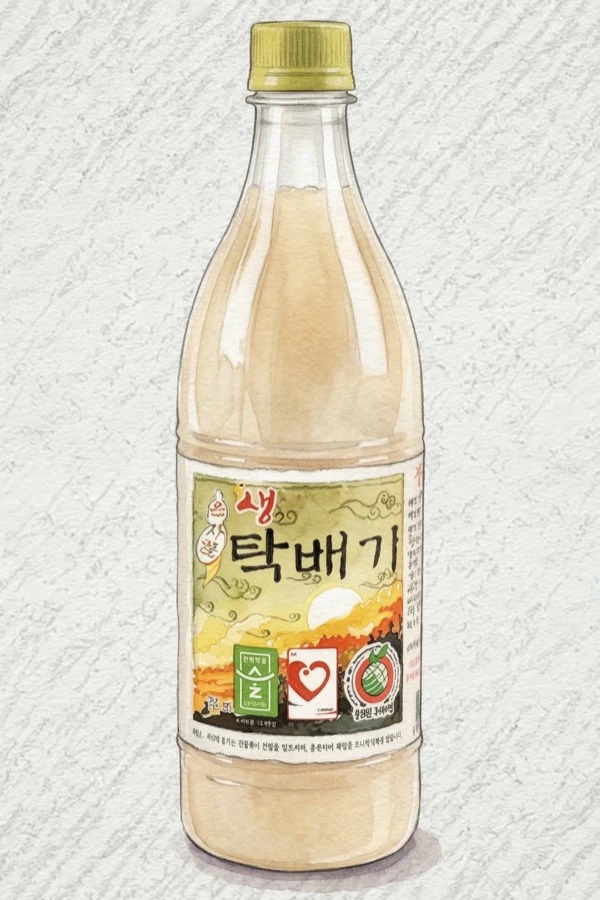
Eunjagol Fresh Tak Peargi
은자골 생 탁배기
Eunjagol Fresh Tak is a 5% ABV draft-style makgeolli from Gyeongsangbuk-do with a creamy, freshly brewed character that feels immediately approachable. Made with white rice, wheat flour, starch syrup, nuruk, and enzymes, it delivers the classic makgeolli experience - mild, slightly sweet, and texturally soft - in an unfiltered, living format. A 2016 Visit Korean Brewery designation and the 2016 Korea Woorisool Awards Grand Prize in the fresh makgeolli category confirm its quality credentials.
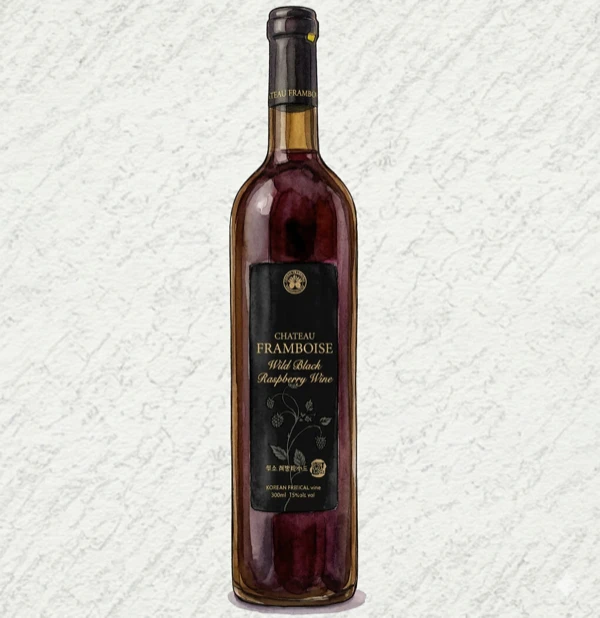
Seonunsan Black Raspberry Wine
선운산 복분자와인
Seonunsan Black Raspberry Wine is a 13% ABV bokbunja wine from Heungjin Brewery in Gochang, Jeollabuk-do, offered in a 300ml format - the lightest and most accessible entry in the Seonunsan bokbunja lineup. With added spirit, purified water, fructose, citric acid, and aspartame rounding out the ingredient list alongside the Gochang black raspberries, this is designed for easy, casual enjoyment rather than concentrated contemplation. The nose is bright and berry-forward: fresh black raspberry, a touch of citrus from the acid addition, and gentle sweetness. On the palate, the body is light-medium with a smooth, effortless texture. The sweetness is approachable and the 13% ABV keeps things undemanding. The finish is short and clean, ending with a simple berry note. Serve well-chilled at 7-10°C as a casual aperitif, with cheese and crackers for a quick evening snack, alongside light desserts where the modest berry sweetness provides just enough fruit character, or simply as a standalone sip when you want bokbunja flavor without commitment.
Honeymoon
허니문
Honeymoon is a mead made by fermenting honey at Ibee in Yangpyeong, Gyeonggi-do. The producer lists Honeymoon Wine at 10% ABV in a 375ml bottle. Its name and alcohol content distinguish it from the same producer's 8% Honeybee Wine.
The World of Korean Alcohol at a Glance
Korean traditional alcohol (전통주, jeontonju) covers a much wider range than the soju and beer most people know. There are over 1,000 registered traditional alcohol products in Korea, spanning six main categories:
- Makgeolli - Milky, mildly sweet rice wine. 5-8% ABV. The most approachable starting point.
- Cheongju - Clear, refined rice wine. 13-16% ABV. The elegant filtered version of makgeolli.
- Yakju - Premium fermented rice wine, often with added herbs or ingredients. 11-16% ABV.
- Traditional soju - Distilled rice spirit. 25-45% ABV. Complex and aromatic - not the green bottle kind.
- Fruit wine - Made from plums, berries, citrus, and more. 10-19% ABV.
- Liqueurs - Spirits infused with herbs, flowers, or honey. Variable ABV.
For a honey-based option, Honeymoon is a mead made by fermenting honey. The producer lists it at 10% ABV in a 375ml bottle. It appears under other alcoholic drinks in this catalog; honey fermentation alone does not make a drink a liqueur.
For a deep dive into each category, see our complete types overview.
Finding Your Taste: Sweet to Dry
The best way to start is to match Korean alcohol to flavors you already enjoy:
| If you like... | Try this Korean alcohol | Why |
|---|---|---|
| Sweet cocktails, cider | Maesil-ju (plum wine) | Sweet-tart with fruity aroma, easy sipping |
| Wheat beer, cider | Sparkling makgeolli | Lightly fizzy, creamy, low alcohol |
| White wine | Cheongju | Clean, floral, moderate alcohol |
| Red wine | Bokbunja (raspberry wine) | Deep berry flavor, tannic structure |
| Craft beer, complex flavors | Premium makgeolli | Rich grain character, fermentation complexity |
| Whiskey, neat spirits | Traditional soju (25%+) | Complex, aromatic, sipping spirit |
| Sake | Cheongju or yakju | Similar category but distinct nuruk-driven flavor |
If you have no preference, start with makgeolli. It is low in alcohol, naturally sweet, and almost universally liked on first taste.
ABV Comfort Levels
Korean traditional alcohol spans a wide ABV range. Here is a guide organized by alcohol strength:
- Light (4-8% ABV) - Makgeolli, some sparkling rice wines. Comparable to beer. Easy for casual drinking, social settings, and warm weather. Start here if you are alcohol-sensitive.
- Medium (10-16% ABV) - Cheongju, yakju, fruit wines. Comparable to wine. Good for meals, slower drinking. Most of Korea's most interesting traditional products fall in this range.
- Strong (25-45% ABV) - Traditional soju, premium distilled spirits. Comparable to whiskey. Sip slowly in small portions. These are for when you want to appreciate deep, complex flavors.
A common beginner mistake is jumping straight to traditional soju at 40%. Start with the lighter categories and work your way up as your palate develops.
Recommended First Bottles
If you can only try a few bottles, these five represent the best introduction to Korean traditional alcohol:
- Any fresh makgeolli - Look for one with a short shelf life (indicating it is unpasteurized and alive). The freshness, mild sweetness, and slight fizz make it the friendliest first experience.
- Bohae Maesil-ju - The most widely available Korean plum wine. Sweet, aromatic, and easy to enjoy chilled or on the rocks.
- Baekse-ju - A herb-infused cheongju that is gentle, slightly sweet, and widely distributed. Available at many Korean restaurants.
- Hwayo 25 - If you want to try traditional soju, Hwayo at 25% is the most accessible entry point. Smooth enough to sip, complex enough to be interesting.
- Gochang Bokbunja - A quality raspberry wine that appeals to anyone who enjoys red wine. Rich, fruity, and distinctly Korean.
All five are available at most Korean liquor stores and many online retailers.
Reading Korean Alcohol Labels
Korean alcohol labels contain useful information once you know what to look for:
- 주류 종류 (Alcohol type) - Tells you the official category: 탁주 (takju/makgeolli), 약주 (yakju), 청주 (cheongju), 증류식소주 (distilled soju), 과실주 (fruit wine), 리큐르 (liqueur).
- 알코올 도수 (ABV) - Expressed as a percentage. Critical for knowing what you are getting into.
- 원재료 (Ingredients) - Traditional products list rice, nuruk, water, and sometimes additional ingredients like herbs or fruit. If you see "주정" (ethanol) as the first ingredient, it is a diluted/commercial product, not traditional.
- 제조일 / 유통기한 (Production date / Expiry) - Especially important for makgeolli. Fresh, unpasteurized makgeolli has a very short shelf life (2-4 weeks). Check before buying.
- 용량 (Volume) - Typically 375ml or 750ml for traditional products.
- 전통주 (Traditional alcohol) certification - Products with this designation have met government standards for traditional brewing methods. It is a good quality indicator.
Where to Buy Korean Traditional Alcohol
Finding authentic Korean traditional alcohol depends on your location:
- In Korea - Traditional liquor shops (전통주 판매점), department store food halls, and specialized online platforms like Suldam or The Sool. Convenience stores carry some traditional products, but the selection is limited to popular brands.
- Outside Korea - Korean grocery stores (H Mart, Lotte, etc.) carry a small selection, typically maesil-ju, bokbunja, and some makgeolli. Online Korean alcohol retailers have expanded significantly and ship internationally in some regions.
- Restaurants - Many Korean restaurants outside Korea now feature traditional alcohol menus. Ask for recommendations - staff often know their products well.
For detailed purchasing advice, see our buying guide.
Food Pairing Basics for Beginners
Korean alcohol and food are inseparable. Here are the simplest pairing principles to start with:
- Makgeolli + pancakes - Makgeolli with pajeon (green onion pancake) is the most classic and easiest pairing. The tangy, creamy drink and savory, crispy pancake are a natural match.
- Soju + grilled meat - Whether traditional or commercial, soju's clean character cuts through the richness of Korean BBQ.
- Cheongju + delicate dishes - Pair with sashimi, steamed dishes, or light vegetable sides. The refined wine does not overpower subtle flavors.
- Fruit wine + spicy food - The sweetness of fruit wines cools the heat of spicy dishes like tteokbokki or spicy stir-fries.
- When in doubt, fried chicken - Fried chicken (chimaek when paired with beer, but it works with everything) is the universal Korean anju that goes with any drink.
See our detailed food pairing guide for specific recommendations by drink type.
Frequently Asked Questions
What is the easiest Korean alcohol to drink for a beginner?
Makgeolli is the easiest starting point. It is low in alcohol (5-8%), naturally sweet, slightly fizzy, and has a creamy texture that most people find pleasant. If you prefer something clearer and more wine-like, try a fruit wine like maesil-ju (plum wine).
Is Korean traditional soju the same as the green-bottle soju?
No, they are completely different products. Green-bottle soju is an industrial product made by diluting ethanol with water and adding sweeteners (16-20% ABV). Traditional soju is a craft distilled spirit made from rice and nuruk (25-45% ABV) with complex flavors. Our database catalogs traditional soju only.
Do I need to know Korean to read alcohol labels?
Basic label reading is possible without Korean. Look for the ABV percentage (always in Arabic numerals), production/expiry dates, and volume. The alcohol type is usually written in both Korean and sometimes English. With a few key Korean words memorized, you can navigate most labels.
How should I store Korean traditional alcohol?
Most traditional alcohol should be stored in a cool, dark place. Unpasteurized makgeolli must be refrigerated and consumed within its short shelf life (2-4 weeks). Cheongju and fruit wines keep well for months unopened. Traditional soju, being distilled, keeps indefinitely. Once opened, refrigerate all products and consume within a week.