Seasonal Korean Alcohol: What to Drink Throughout the Year
Discover the best Korean traditional alcohol for every season - from spring flower wines and summer fruit drinks to autumn harvest makgeolli and winter warmers.
Explore next
Bottles to compare
Move from the guide to product pages with ABV, tasting notes, and producer links.
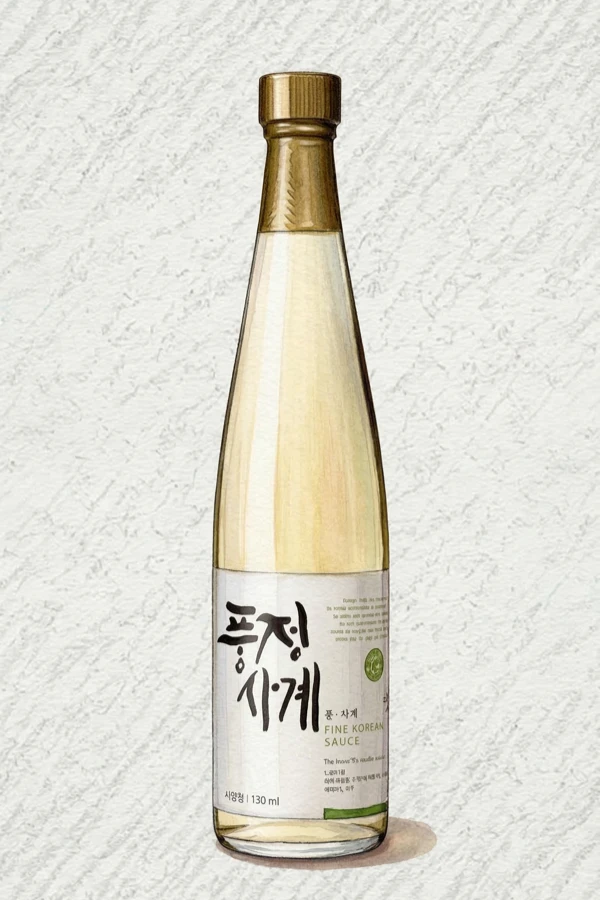
Pungjeong Sages Chun (Spring)
풍정사계 춘(春)
The 'Spring' installment of the Four Seasons series from Chungcheongbuk-do, this 15% yakju ferments glutinous rice with hyangongok (a traditional aromatic starter) to produce one of the most fragrant Korean bottles you can find. The nose is immediately striking - white peach, osmanthus flower, and a dusting of powdered sugar that feels genuinely spring-like. On the palate, the body is round and generously textured, with the glutinous rice lending a pillowy softness that carries the fruit-floral notes effortlessly. The finish turns gently nutty with a clean drop-off. Credentials are serious: 2017 Woorisool Grand Prize (yakju/cheongju), 2019 Excellent Award, and service at the 2019 Korea-Belgium presidential summit dinner. Serve at 10-12°C with sannakji (live octopus), where the drink's aromatic lift contrasts the sesame oil's nuttiness, or with yeonpo-tang (octopus soup), whose delicate broth lets the floral nose shine without competition.
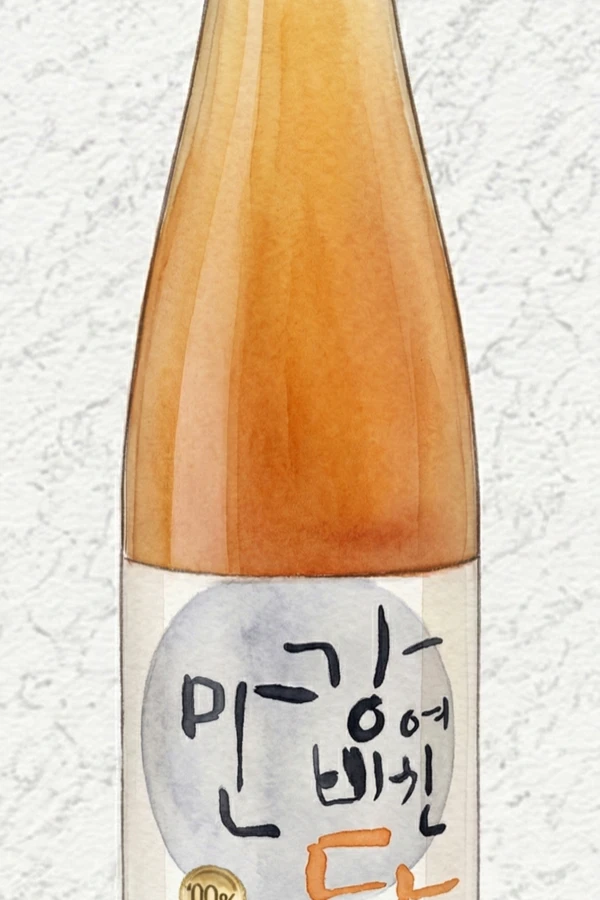
Moon Reflected on the River
만강에 비친 달
Yeasul Brewery in Hongcheon, Gangwon-do - a 2015 Visiting Brewery selection known for poetic, nature-inspired names - ferments Hongcheon rice with sweet pumpkin and wheat nuruk to create this contemplative 10% brew named 'Moon Reflected on the River.' The aroma evokes roasted pumpkin, warm brown sugar, and toasted wheat with a gentle earthy undertone. On the palate, the body is medium and satiny, with pumpkin's natural sweetness weaving through the grain base to create a mellow, almost autumnal warmth. The finish is long and gently drying with a wheatgrass-like herbal whisper. Serve at 12-14°C to let the pumpkin aromatics fully open. Pairs wonderfully with jeonbok-juk abalone porridge where the textural similarities create harmony, or hobak-jeon pumpkin pancake for thematic resonance.
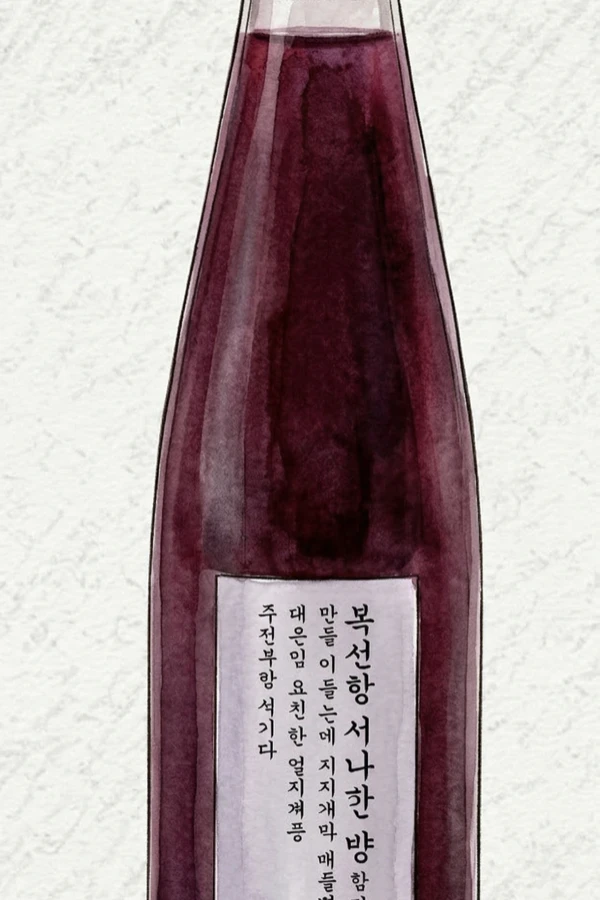
Long Night of Dongjitdal
동짓달 기나긴 밤
Named after the long nights of the winter solstice month, this 16% cheongju from Gangwon-do blends glutinous and non-glutinous rice with bokbunja (Korean black raspberry) and traditional nuruk. The bokbunja is not just decorative - it introduces a tart berry undercurrent that stains the spirit a faint rose-amber and threads through the palate like a dried cranberry note woven into steamed rice. The texture is medium-bodied and satiny, with the two rice types creating a balance between the stickiness of glutinous rice and the drier backbone of regular rice. The finish is warming and long, with a last breath of wild berry and toasted grain. Designated a 2015 Visiting Brewery. Serve at 13-15°C alongside ori-baeksuk (whole duck soup), where the poultry fat meets the berry tartness in an unexpected but convincing combination, or with pyogo-beoseot-bokkeum (stir-fried shiitake), where the mushroom's umami depth meets the grain's warmth.
Why Seasons Matter in Korean Drinking
In Korean drinking culture, what you drink changes with the seasons. This is not just about temperature preferences - it reflects a deep cultural connection between food, drink, and the natural calendar that dates back centuries.
Many traditional Korean alcohols were historically brewed to align with seasonal ingredient availability: spring herbs, summer fruits, autumn harvests, and winter preservation. The concept of "jeol-gi-ju" (절기주, seasonal alcohol) ties specific drinks to the 24 solar terms of the East Asian calendar.
Today, while year-round availability has lessened strict seasonal dependence, the tradition persists in how Koreans instinctively reach for different drinks as the weather shifts. Understanding this rhythm enhances how you experience Korean traditional alcohol.
Spring: Flower-Infused Wines and Fresh Makgeolli
Spring in Korea (March-May) brings cherry blossoms, azaleas, and a renewed energy for outdoor drinking under the flowers (꽃놀이, kkotnori).
- Duhyeon-ju (두견주) - Azalea flower wine from Chungcheong Province. Azalea petals are layered with rice and nuruk during brewing, producing a delicately floral, slightly sweet wine. One of the most famous seasonal brews.
- Fresh makgeolli - Spring is prime makgeolli season. New rice from the previous autumn's harvest is at its best, and the mild temperatures create ideal brewing conditions. Fresh, unpasteurized makgeolli has a lively effervescence that matches spring energy.
- Baekhwa-ju (백화주) - "Hundred flowers wine." A multi-herb and flower infused rice wine brewed to celebrate spring's arrival.
- Light cheongju - Chilled cheongju served outdoors at picnics pairs beautifully with spring vegetables and light fare.
Spring drinking is about lightness, freshness, and floral aromas. Keep alcohol percentages moderate and pair with seasonal banchan (side dishes) featuring spring greens like ssuk (mugwort) and dalrae (wild chives).
Summer: Fruit Wines and Chilled Refreshments
Korean summers (June-August) are hot and humid, driving demand for cold, refreshing, lower-alcohol drinks.
- Maesil-ju (매실주) - Plum wine is the classic Korean summer drink. Green plums are harvested in June and steeped in alcohol - and the resulting wine, served ice-cold, is sweet, tart, and thirst-quenching.
- Sparkling makgeolli - Carbonated or naturally effervescent makgeolli served over ice. Several breweries release summer-edition sparkling versions.
- Watermelon soju - The iconic summer cocktail: soju blended with fresh watermelon, often served inside a hollowed watermelon shell at outdoor gatherings.
- Omija-ju (오미자주) - Five-flavor berry wine, served chilled. The simultaneous sweet, sour, salty, bitter, and pungent notes make it unusually refreshing on a hot day.
- Yuja-ju (유자주) - Citrus wine with intense aromatic character, excellent over ice with a splash of soda water.
Summer drinking tips: serve everything cold, favor lower ABV options, and hydrate between drinks. Heavy spirits are typically saved for cooler months.
Autumn: Harvest Makgeolli and Persimmon Wine
Autumn (September-November) is the harvest season and historically the most important brewing period. Fresh rice from the new harvest and ripe autumn fruits provide peak-quality ingredients.
- Sindari (신도리) - New-harvest makgeolli. The first makgeolli brewed from the current year's rice is called sindari or "new makgeolli." It has a sweet, fresh character that reflects the quality of the new grain.
- Persimmon wine (감와인) - Persimmons ripen in late autumn, and persimmon-producing regions (especially Sangju) release their wines to coincide with the harvest. Mellow sweetness with gentle tannins.
- Bokbunja (복분자주) - While bokbunja berries are harvested in summer, the wine is often at its best by autumn after sufficient aging. Its deep, tannic character suits the cooler weather.
- Chrysanthemum wine (국화주) - A historic seasonal wine made by adding chrysanthemum flowers to rice wine. Traditionally brewed for the Jungyangjeol (重陽節) festival on the 9th day of the 9th lunar month.
- Yakju (약주) - Autumn's cooler temperatures are ideal for yakju brewing. The slower, cooler fermentation produces cleaner, more refined results.
Autumn is the season for appreciation. Pair these drinks with seasonal ingredients: chestnuts, mushrooms, grilled fish, and hearty stews.
Winter: Warm Cheongju and Aged Soju
Winter (December-February) shifts Korean drinking toward warmth and richness. This is the season for heated drinks, aged spirits, and deep flavors that comfort against the cold.
- Warmed cheongju - Gently heating cheongju to 40-45 degrees C brings out deep, honeyed flavors that are hidden when served cold. This is a centuries-old winter tradition.
- Aged traditional soju - Winter is the ideal time for traditional soju, especially aged varieties. The warming burn of a quality 25-40% soju, sipped slowly, is the Korean equivalent of a fireside whiskey.
- Baekse-ju (백세주) - The herb-infused cheongju is particularly popular in winter. Its warming herbal character - ginseng, ginger, cinnamon - makes it a natural cold-weather drink.
- Medicinal wines (약주) - Winter is traditionally the season for health-focused drinking. Herbal infusions, ginseng wines, and medicinal rice wines are consumed both for enjoyment and as tonics.
- Somaek - While somaek is consumed year-round, winter gatherings around Korean BBQ with somaek flowing freely is a defining winter social experience.
Winter drinking pairs well with rich stews (jjigae), hot pots, braised meats, and other warming foods.
Holiday and Special Occasion Drinks
Several Korean holidays and occasions call for specific traditional drinks:
- Seollal (설날, Lunar New Year) - Families prepare seju (세주, New Year's wine), traditionally a cold cheongju or yakju served at the morning ancestral rite (차례). Drinking age-ordered, from youngest to oldest, is a New Year tradition.
- Chuseok (추석, Harvest Festival) - New-harvest rice is brewed into fresh makgeolli or yakju for the ancestral rite. Songpyeon (pine-needle rice cakes) and makgeolli are the classic Chuseok pairing.
- Weddings - Cheongju is the traditional wedding ceremony drink. The bride and groom exchange cups (합근례, hapgeunrye) as part of the ceremony.
- Jesa (제사, Ancestral Rites) - Cheongju or yakju is placed on the ritual table. The quality of the alcohol reflects respect for the ancestors.
- Dano (단오, Spring Festival) - Herb-infused wines (특히 창포주, changpo-ju made from sweet flag) are traditional for the 5th day of the 5th lunar month.
Building Your Seasonal Drinking Calendar
A practical guide to seasonal choices throughout the year:
| Month | Recommended drinks | Key pairings |
|---|---|---|
| Mar-Apr | Flower wines, fresh makgeolli, light cheongju | Spring greens, pajeon, fresh tofu |
| May-Jun | Sparkling makgeolli, early fruit wines, chilled yakju | Light seafood, salads, bibimbap |
| Jul-Aug | Maesil-ju, watermelon soju, omija-ju, iced makgeolli | Naengmyeon, grilled fish, fresh fruit |
| Sep-Oct | New-harvest makgeolli, persimmon wine, bokbunja | Chestnuts, mushroom dishes, jeon |
| Nov-Dec | Warm cheongju, aged soju, Baekse-ju | Jjigae, galbi-jjim, hot pot |
| Jan-Feb | Herbal yakju, warm traditional soju, seju | Tteokguk, braised dishes, holiday food |
This is a guideline, not a rule. The best drink is always the one that suits your mood, company, and the food in front of you.
Frequently Asked Questions
Are seasonal Korean drinks only available during their season?
Some truly seasonal products (like specific flower wines or new-harvest makgeolli) have limited availability. However, most Korean traditional alcohols are available year-round. The seasonal recommendations are about what best matches the weather and seasonal foods, not strict availability windows.
Can I warm any Korean alcohol?
Cheongju, yakju, and traditional soju all warm well. Heat gently using a hot water bath to 35-45 degrees C - do not microwave or boil. Makgeolli and fruit wines are generally better served cold. Warming is a winter tradition but you can warm drinks any time you prefer.
What drink should I serve at a Korean holiday dinner?
For Seollal (Lunar New Year), cheongju or yakju is traditional and most appropriate. For Chuseok (Harvest Festival), fresh makgeolli is classic. For general celebrations, a mix of makgeolli, cheongju, and fruit wine covers most tastes.
Is there a Korean equivalent of 'seasonal beer releases'?
Yes. Several Korean makgeolli and fruit wine producers release limited seasonal editions - spring flower makgeolli, summer sparkling versions, autumn new-harvest batches, and winter spiced variations. Following Korean craft alcohol brands on social media is the best way to catch these releases.